Tag: marine science minute

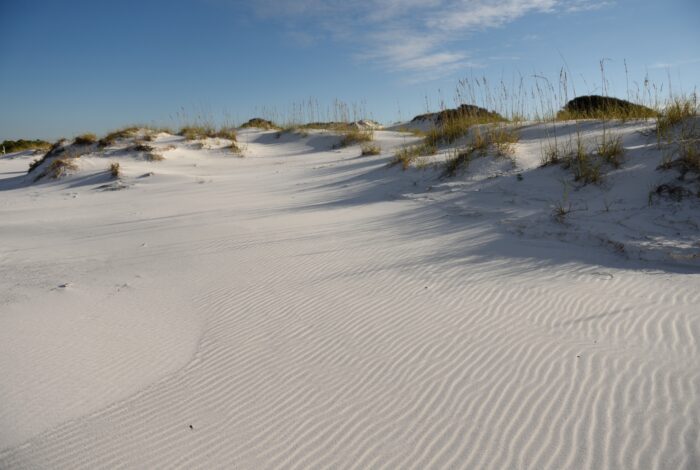
A vast expanse of white sand dunes features distinct wind-rippled patterns in the foreground, with sparse sea oats growing along the ridges under a clear blue sky

Episode 21 – Sand Dunes

Today on Marine Science Minute with Florida Sea Grant: Sand dunes. Did you know that sand dunes are nature’s line of defense? Sand dunes are natural coastal mounds formed by the accumulation of wind-blown sand, support unique ecosystems and wildlife,
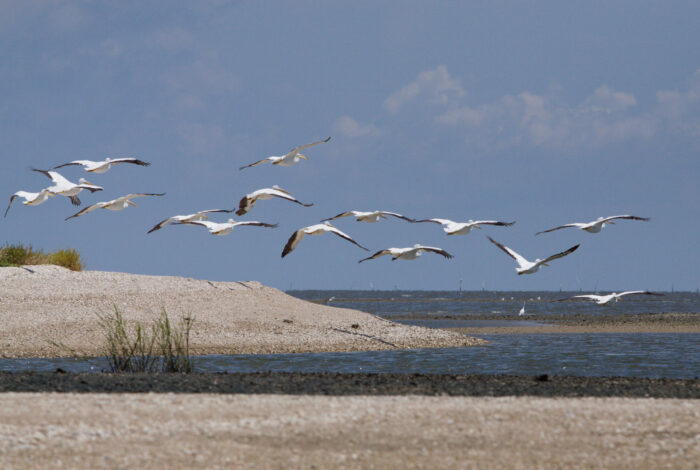
A flock of American white pelicans with white feathers and black-tipped wings flies in formation over a coastal shell bank and calm blue water under a partly cloudy sky

Episode 20 – Bird Disturbance & Feeding Issues

Today on Marine Science Minute with Florida Sea Grant: Bird-friendly fishing! Birds in flight are a beautiful sight, but disturbance by boaters threatens the nesting success and survival of coastal birds. If birds fly away as you approach, you are

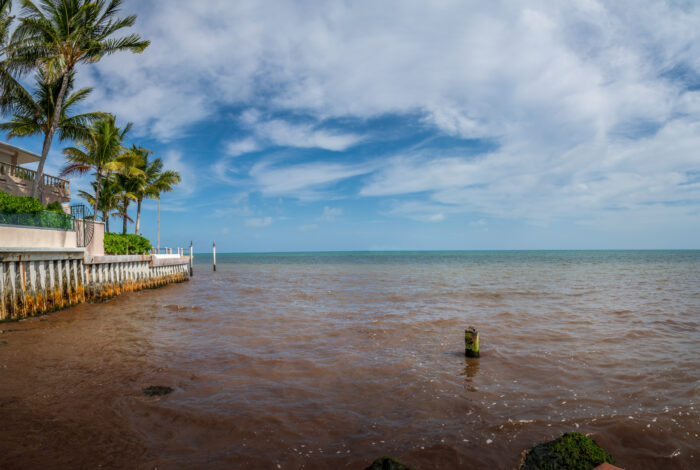
A concrete seawall lined with palm trees overlooks ocean water discolored with a dark brown reddish hue under a partly cloudy sky

Episode 19 – Red Tide

Today on Marine Science Minute with Florida Sea Grant: Red Tide. Red tide is the name for the harmful algal bloom caused by the algae, Karenia brevis. Red tides often affect Florida’s Gulf Coast during the summer and fall. Red

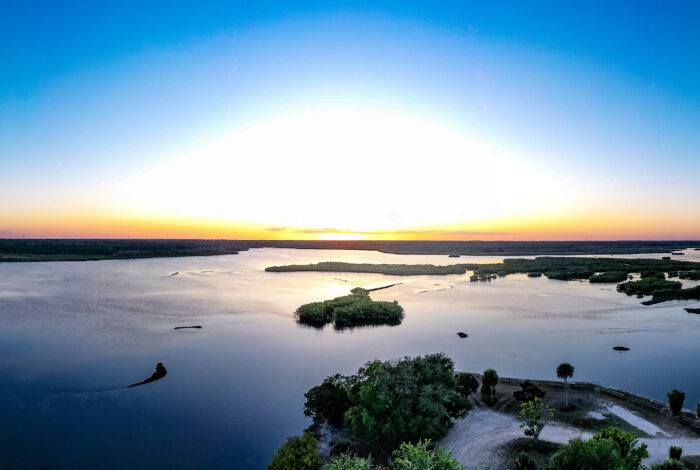
A wide panoramic aerial view shows a bright sunset casting a golden glow over Spruce Creek watershed, New Symrna Beach, Florida, USA, dotted with small islands and dense shoreline vegetation.

Episode 18 – Watersheds

Today on Marine Science Minute with Florida Sea Grant: Watersheds. A watershed is an area of land where water drains or funnels into a common water body. Actions in a watershed, such as development or wetland restoration, can either help

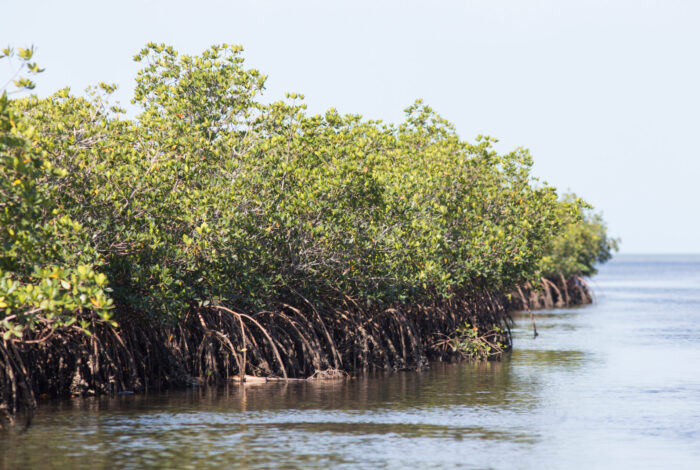
Mangroves in the Gulf of Mexico

Episode 17 – World Mangrove Day

Today on Marine Science Minute with Florida Sea Grant: Mangroves! Mangroves are tropical trees that grow in coastal areas. They are adapted to life in salt water and benefit the environment in lots of ways.

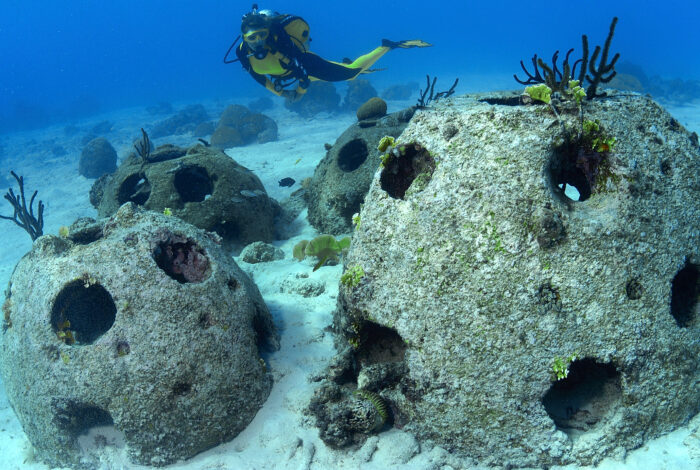
A scuba diver in a yellow and black wetsuit swims over several large, hollow concrete reef balls on a sandy ocean floor. The dome-shaped structures are covered in light marine growth and feature numerous circular holes, set against clear blue water.

Episode 16 – Artificial Reefs

Today on Marine Science Minute with Florida Sea Grant: Artificial Reefs. Did you know that Florida has one of the most active and diverse artificial reef programs in the US and the world? Artificial reefs are man made structures materials

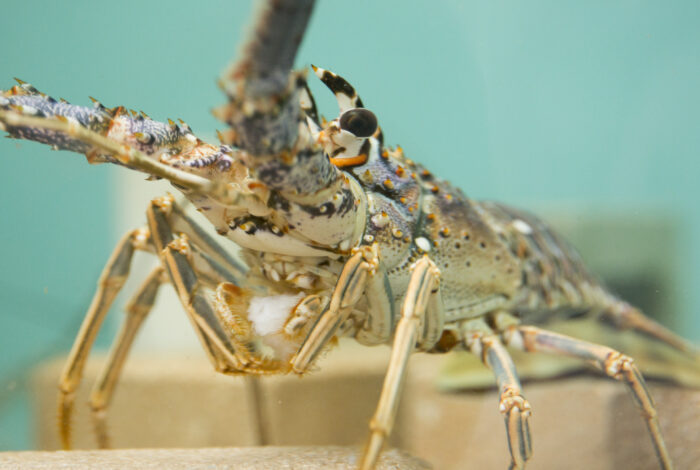
A close-up shot of a Caribbean spiny lobster inside an aquarium tank, facing forward. The lobster features a speckled cream, brown, and grey shell with multiple sharp spines, black eyes, and two thick antennae reaching upward, with a soft-focused teal background

Episode 15 – Lobstering

Today on Marine Science Minute with Florida Sea Grant: Lobstering The Caribbean spiny lobster is the species spotted most frequently around Florida’s waters and dinner plates. This species lacks claws for pinching and can be found on reefs and rocky

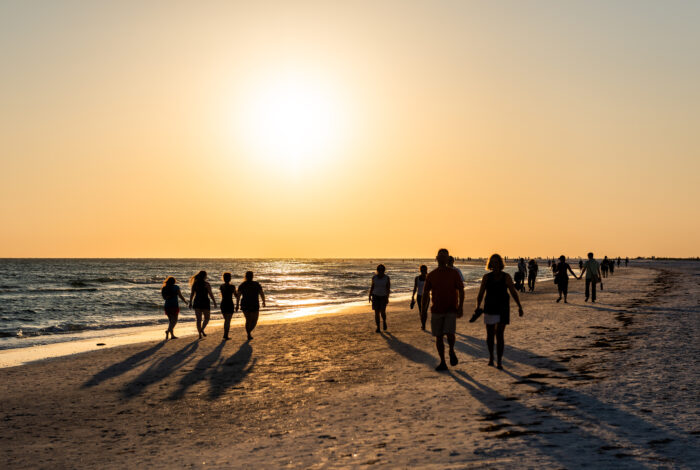
Silhouetted crowds of people stroll along a wide sandy beach during a bright sunset. The large, brilliant sun hangs low in a hazy golden sky, casting a long shimmering reflection across the ocean surface and stretching dark shadows from the walkers across the shoreline.

Episode 14 – Clean Beaches

Today on Marine Science Minute with Florida Sea Grant: Clean Beaches. The first week of July is Clean Beaches Week. Removing trash from the beach is always important, especially during this busiest beach week of the year. Remember to dispose

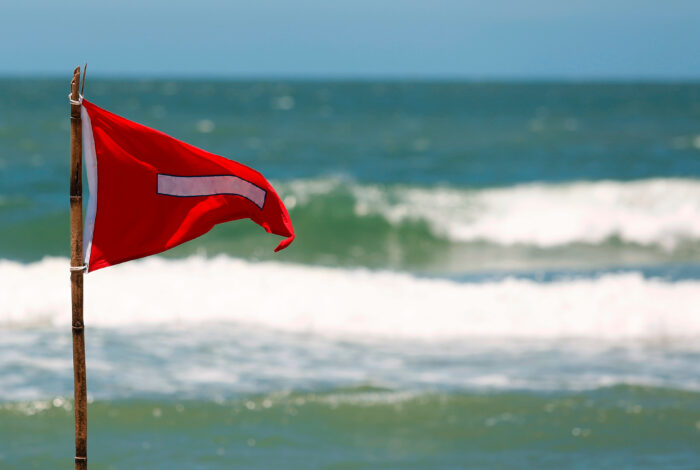
A bright red beach warning flag with a white horizontal stripe flies from a rustic wooden pole planted in the sand. The flag is positioned on the left side of the frame, set against a blurred background of teal ocean water, rolling white breaking waves, and a pale blue sky

Episode 13 – Rip Currents

Today on Marine Science Minute with Florida Sea Grant: Rip Currents. Summertime in Florida means going to the beach. We all want to have fun, but it is important to understand the ocean and be safe. 80% of ocean rescues

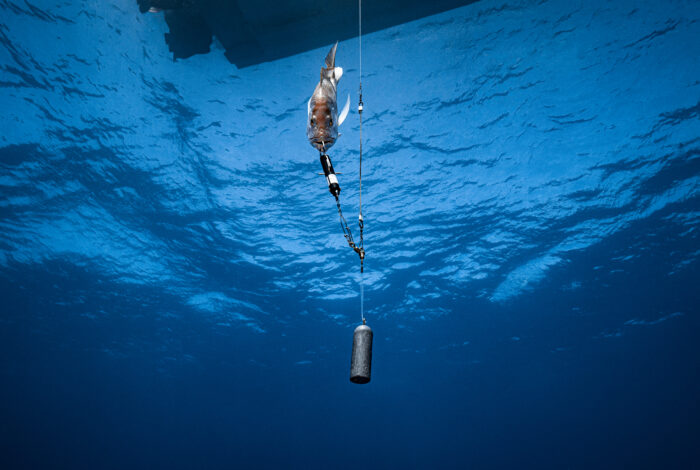
An underwater wide shot shows a small fish being lowered back into deep blue water using a specialized descending device attached to a weighted fishing line. The fish hangs vertically, facing downward, below the dark silhouette of a boat hull visible at the water's surface

Episode 12 – Barotrauma & Return ‘Em Right

Today on Marine Science Minute with Florida Sea Grant: Barotrauma & Return ‘Em Right. Fish suffering from barotrauma are likely to survive release when anglers use best practices including venting and descending.

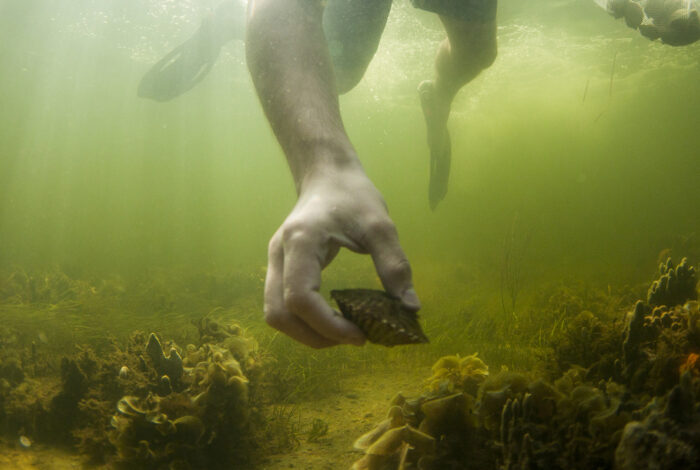
An underwater shot shows a person's hand reaching down to pick up a dark bay scallop from a lush, green seagrass bed. The swimmer's legs and fins are visible above in the murky, green-tinted water, illuminated by sunbeams piercing through the surface

Episode 11 – Scalloping

Today on Marine Science Minute with Florida Sea Grant: Scalloping! Summer means scallop season is here, and sustainability is key. You can safeguard our bay scallop populations for future seasons by following these tips:

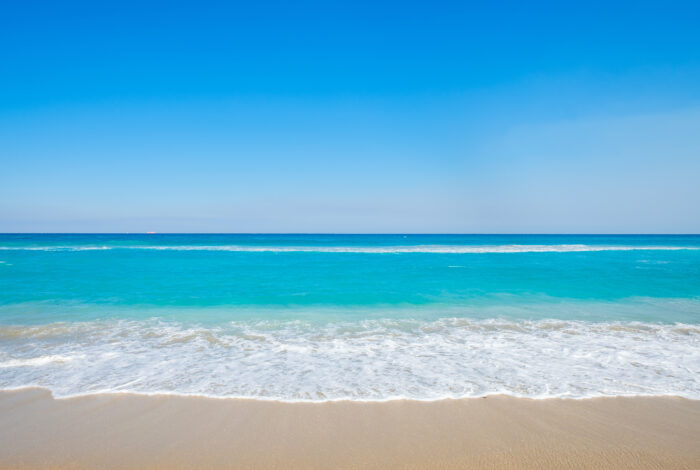
A wide, sunny shot captures a tranquil sandy beach meeting vibrant turquoise ocean waters under a vast, cloudless blue sky. White sea foam rolls gently onto the beige shoreline, creating a peaceful, minimalist coastal landscape.

Episode 10 – World Ocean Day

Today on Marine Science Minute with Florida Sea Grant: World Ocean Day. Planet Earth is 71 percent water. Our bodies consist of 70 percent water. On World Ocean Day, we recognize and celebrate our connection to the water.

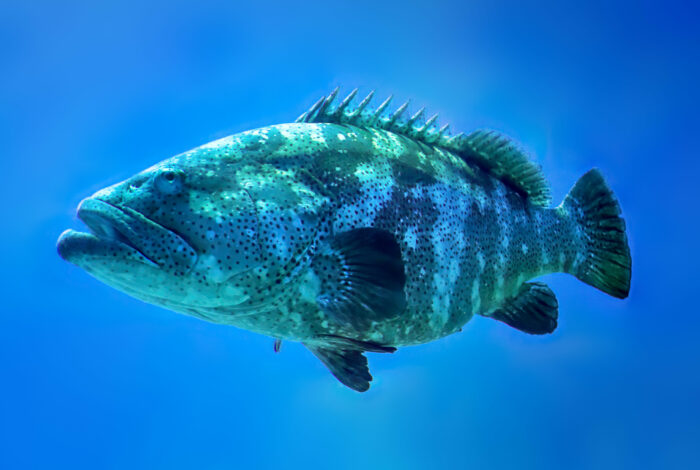
A side-profile shot of a goliath grouper fish swimming horizontally against a vibrant, solid blue background. The fish features a robust body covered in dark spots and a mottled camouflage pattern of greenish-grey and white, with prominent spiny dorsal fins running along its back.

Episode 9 – Goliath Grouper

Today on Marine Science Minute with Florida Sea Grant: Goliath Grouper. Goliath grouper are the largest fish in the tropical western Atlantic, growing as large as 8 feet long and weighing up to 800 pounds!

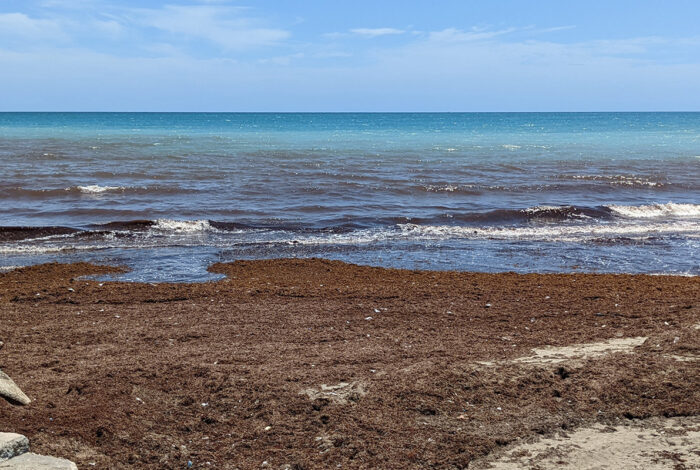
sargassum seaweed washed up on beach

Episode 8 – Sargassum

Today on Marine Science Minute with Florida Sea Grant: Sargassum. Sargassum, a free-floating brown seaweed, has received lots of media attention in recent years. This is a naturally occurring species that originates in the eastern Atlantic in an area known

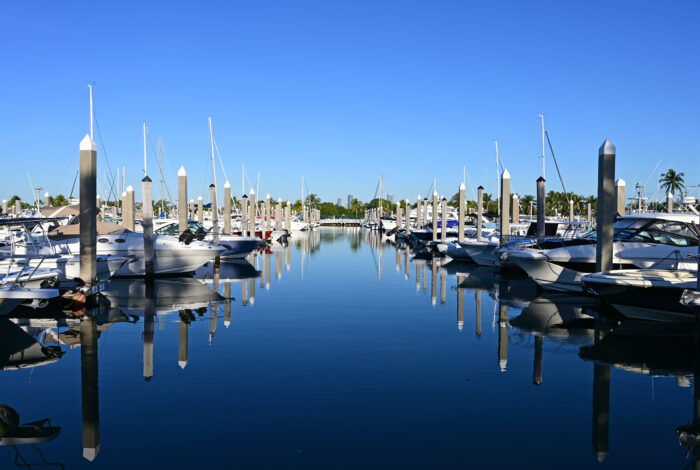
Boats docked in marina in Key Biscayne, Florida in early morning light on clear autumn day.

Episode 7 – Find a Pumpout

Today on Marine Science Minute with Florida Sea Grant: Find a Sewage Pumpout! A pumpout is used by boaters to properly dispose of sewage which helps keep our waterways clean and safe for people and wildlife.