Tag: marine science minute

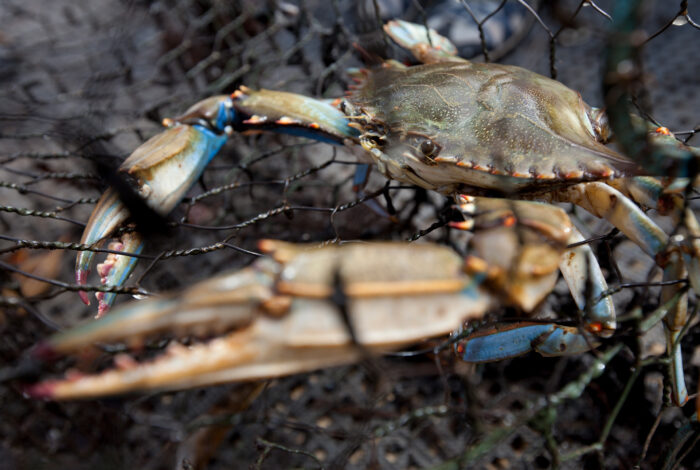
A close-up photograph of a blue crab caught inside a wire mesh fishing net, with its blue-accented legs and sharp claws visible against the dark netting background.

Episode 37 – Derelict Traps

Today on Marine Science Minute with Florida Sea Grant: Derelict Traps. Commercial and recreational fishing are a large part of Florida’s economy. Use of pots or traps is a common method for lobster and crab fishing but sometimes can have
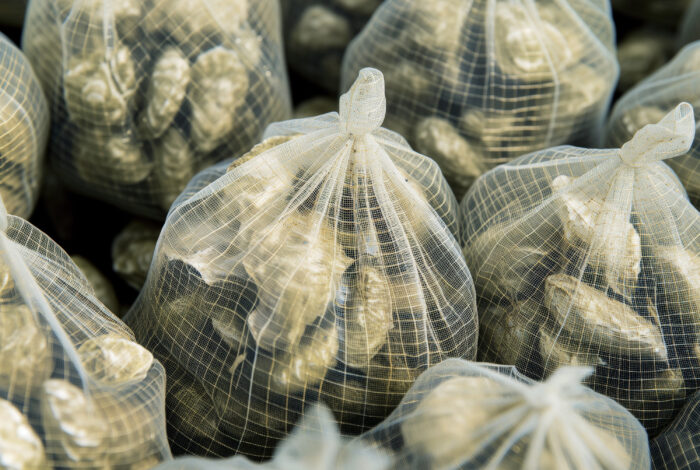
A close-up view of several translucent, fine white mesh bags tightly packed with individual oysters

Episode 36 – Shellfish Aquaculture

Today on Marine Science Minute with Florida Sea Grant: Shellfish Aquaculture. Florida’s coastal waters support an important aquaculture industry in which farmers grow hard clams and oysters that are enjoyed in restaurants and around dinner tables throughout our state and

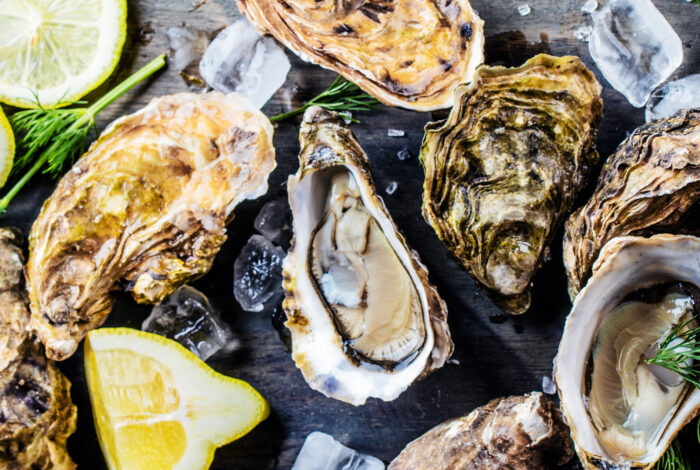
A flat lay view of raw oysters on the half shell and whole unopened oysters arranged on a dark wooden board with ice cubes, lemon slices, and fresh dill.

Episode 35 – Seafood Safety

Today on Marine Science Minute with Florida Sea Grant: Seafood Safety. The Florida Sea Grant Seafood Safety program helps producers to ensure safe seafood production

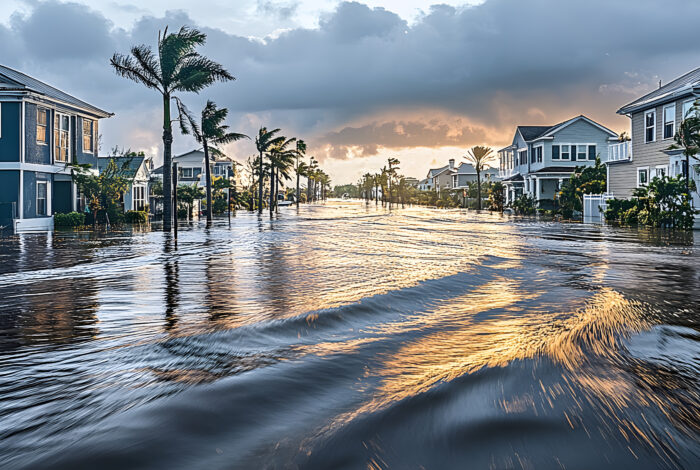
Homes on flooded street during a hurricane, tropical storm, Florida

Episode 34 – Flooding

Today on Marine Science Minute with Florida Sea Grant: Flooding. Florida Sea Grant assists and provides resources for communities to understand their risk and know their options for adapting to flooding

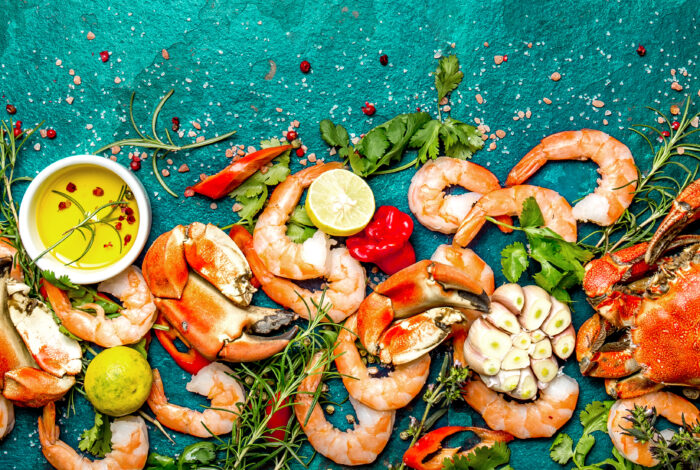
overhead photo of an arrangement of seafood and herbs

Episode 33 – Seafood at Your Fingertips

Today on Florida Sea Grant Marine Science Minute: Seafood at Your Fingertips. Florida Sea Grant’s Seafood at Your Fingertips program provides step-by-step guidance for selecting and preparing seafood.

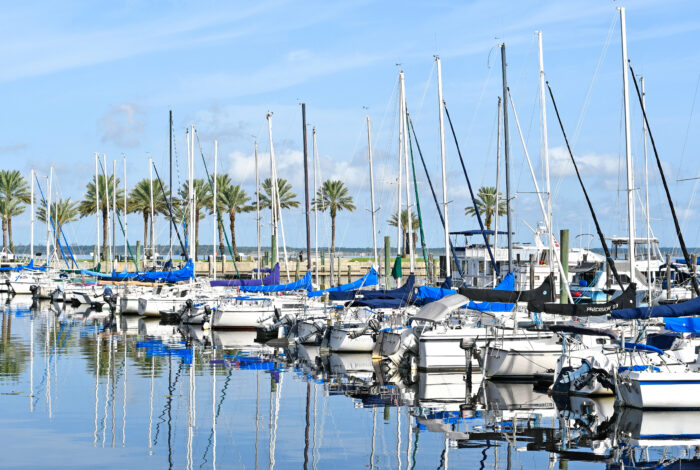
Sailboats docked at marina near downtown Sanford, Florida on Lake Monroe.

Episode 32 – Boat Sewage

Today on Marine Science Minute with Florida Sea Grant: Sewage! Let’s keep sewage out of our waterways, and not just because of the ‘yuck’ factor.

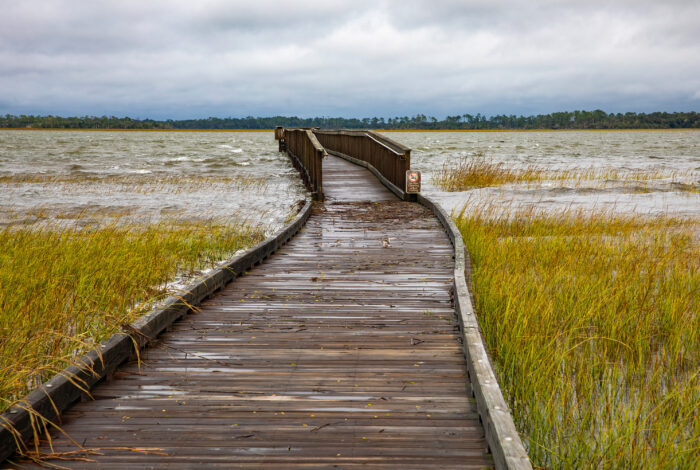
A flooded wooden boardwalk curves forward into a vast coastal marshland under a cloudy, overcast sky.

Episode 31 – King Tides

Today on Florida Sea Grant Marine Science Minute: King Tides. When king tides coincide with coastal storms, the impacts can be devastating

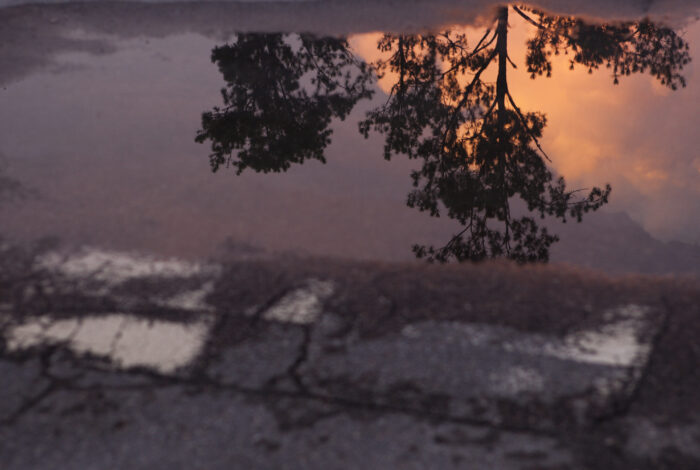
Pine tree and sunrise on a storm cloud reflected in a parking lot water puddle.

Episode 30 – Stormwater Runoff

Today on Florida Sea Grant Marine Science Minute: Stormwater. Stormwater pollution is silently endangering our state’s beautiful waters.

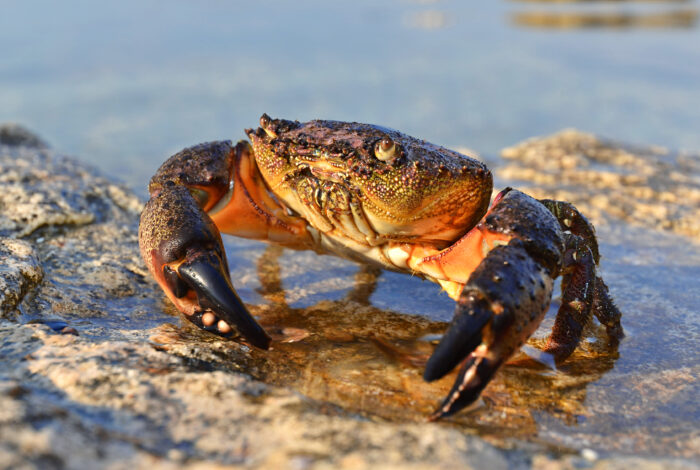
A speckled brown crab with large, dark-tipped claws rests on wet coastal rocks by shallow water.

Episode 28 – Stone Crabs

Today on Marine Science Minute with Florida Sea Grant: Stone Crabs. Florida provides 99% of the stone crab harvest in the United States. Unlike other crabs, we harvest only the claws, and the crab is returned to the water.

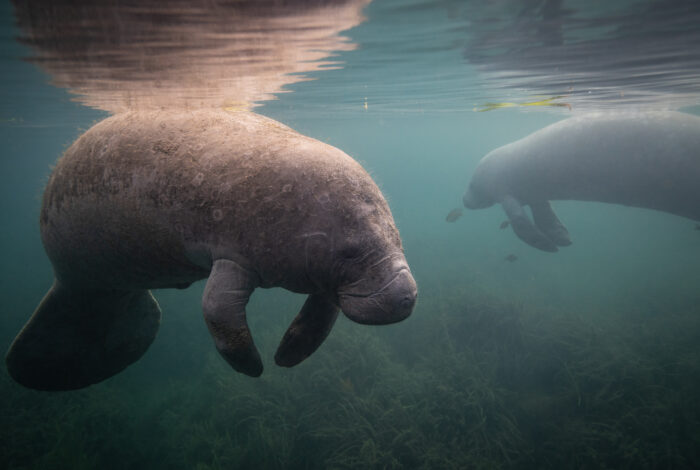
A manatee underwater in Florida

Episode 27 – Manatees

Today on Marine Science Minute with Florida Sea Grant: Manatees. Designated as the state marine mammal, the Florida Manatee is a charismatic herbivore that migrates between coastal waters and freshwater systems, attracting millions of tourists to Florida every year.

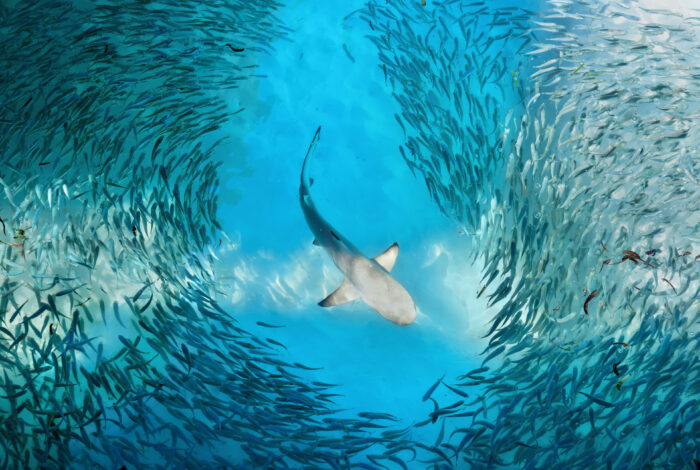
view of a shark swimming through clear blue water, centered within a swirling, circular school of small fish parting around it.

Episode 26 – Sharks

Today on Marine Science Minute with Florida Sea Grant: Sharks. The earliest evidence of shark fossils dates to 450 million years ago, which means that sharks appeared almost two hundred million years before the dinosaurs.

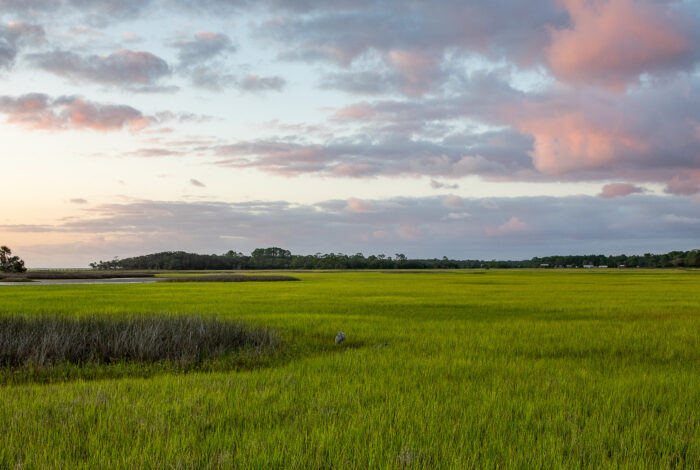
a wide shot of marsh grasses and a colorful sky

Episode 25 – National Estuaries Week

Today on Marine Science Minute with Florida Sea Grant: National Estuaries Week. Estuaries are coastal areas where freshwater mixes with ocean water, providing a home to thousands of creatures.

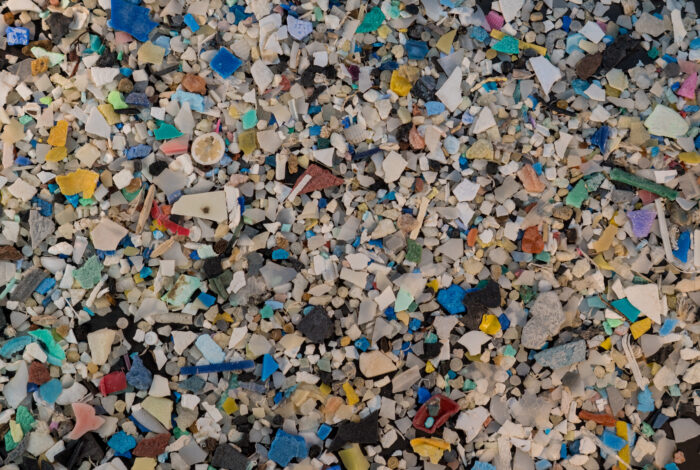
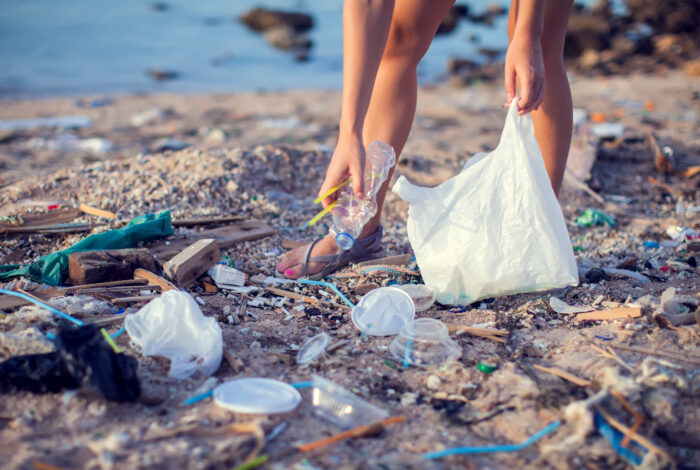
plastic marine debris

Episode 24 – Microplastics

Today on Marine Science Minute with Florida Sea Grant: Microplastics. Microplastics are small plastic particles less than 5 millimeters in size. They come from many sources, including synthetic fibers from textiles and the breakdown of larger plastic items.