

Today on Marine Science Minute with Florida Sea Grant: Red Tide
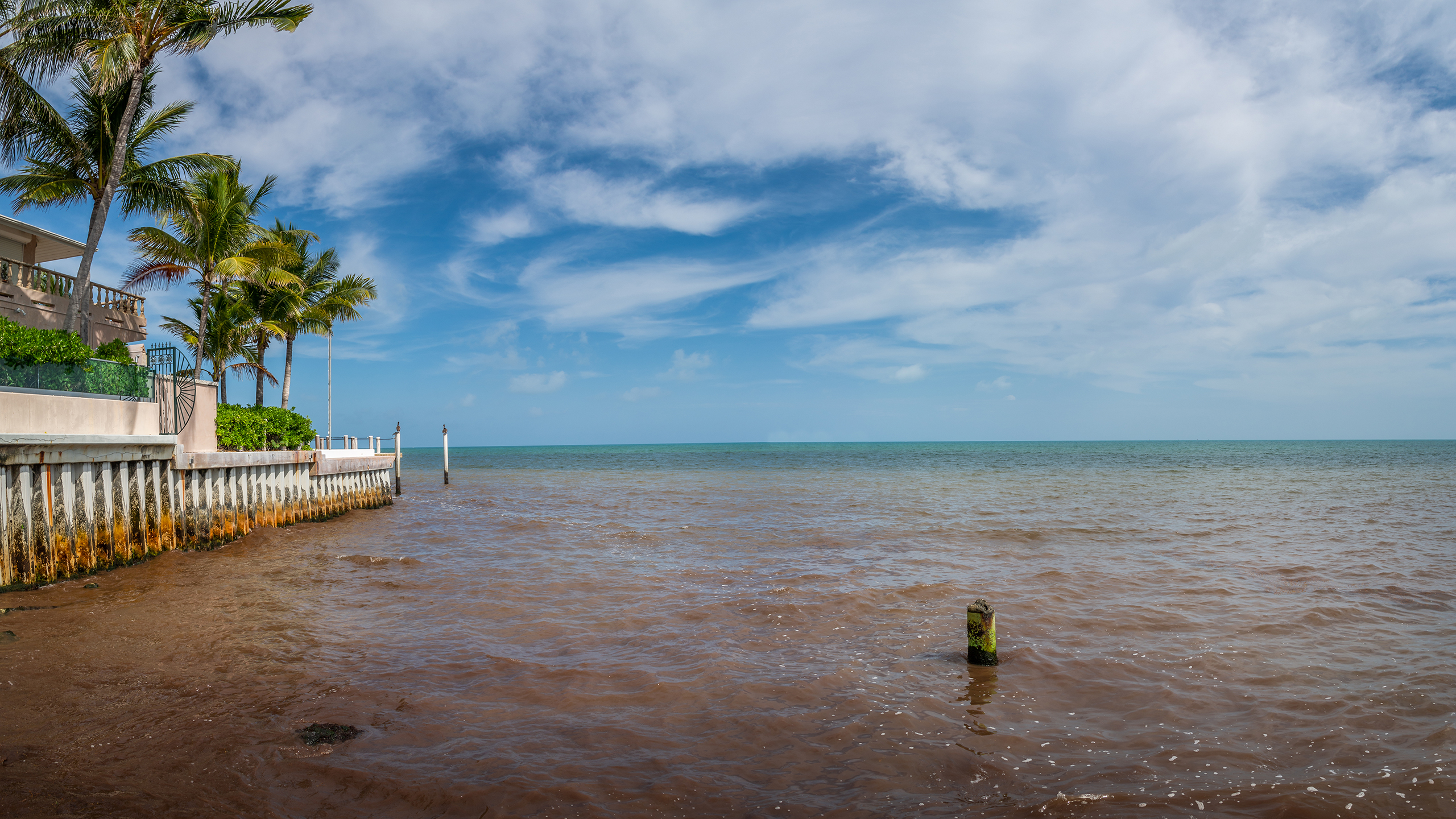
Red tide is the name for the harmful algal bloom caused by the algae, Karenia brevis. Red tides often affect Florida’s Gulf Coast during the summer and fall. Red tide blooms can last just a few days, or during extreme events, even years.
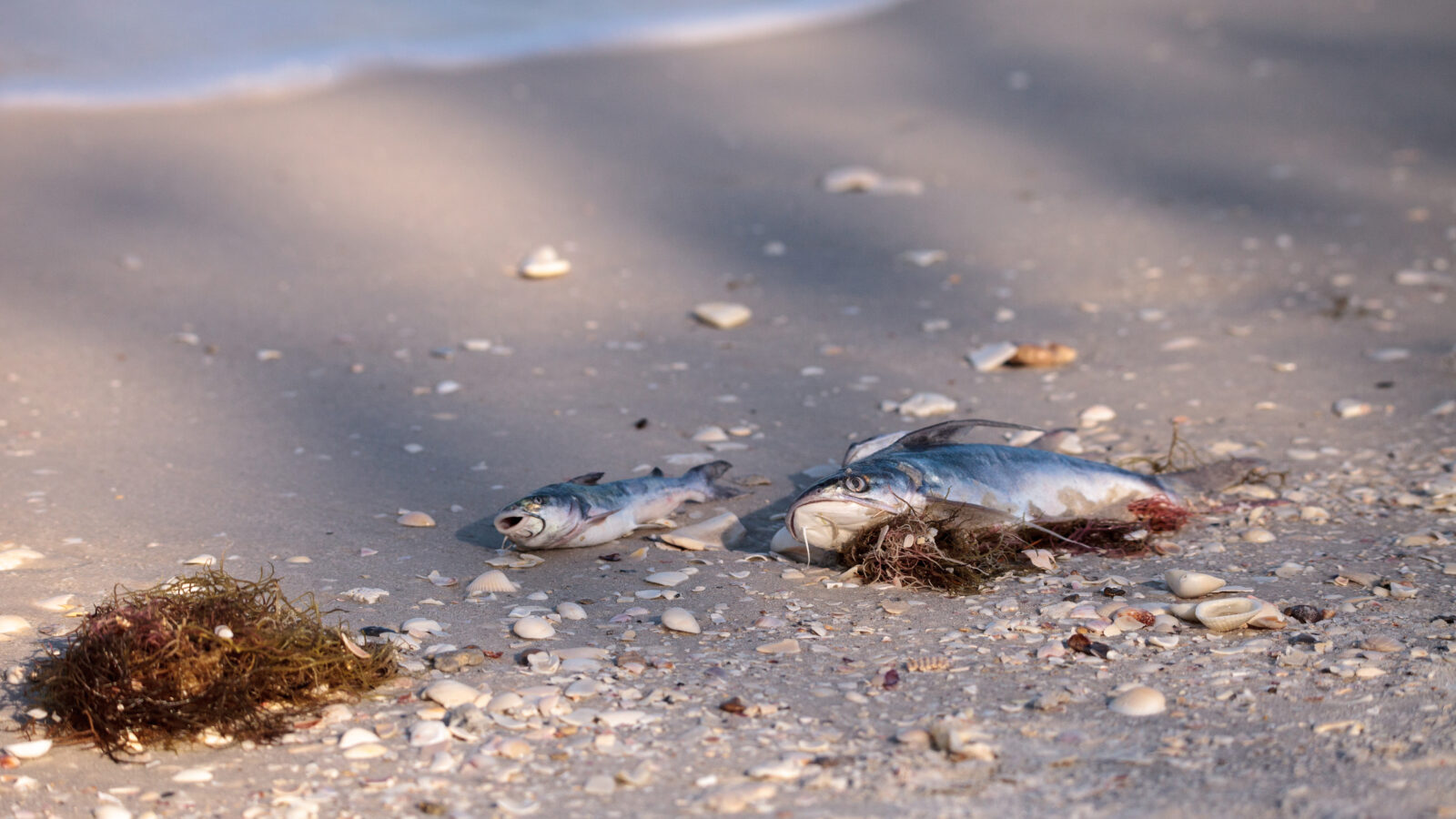
Red tide is considered harmful because it produces a suite of toxins called brevetoxins. These can cause fish kills and other marine die-offs. Brevetoxins can also cause respiratory irritation in humans. Consuming contaminated shellfish can also be dangerous.
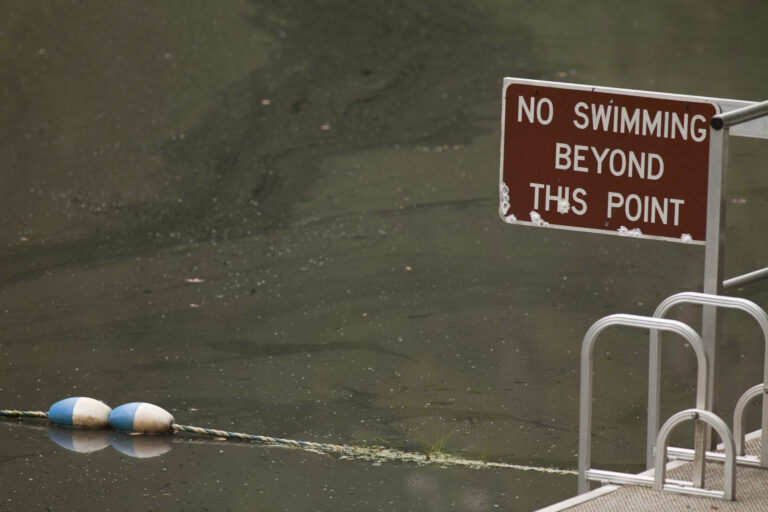
Fortunately, red tide is actively monitored in the state. Following beach safety signs and advisories protects your health during a bloom. Florida Sea Grant conducts outreach and research efforts to better understand and minimize the public, environmental and economic impacts of these blooms.
For information about this and other coastal topics, contact your county extension office or visit Florida Sea Grant at flseagrant.org