Seafood 101
Supplying Seafood Consumers and Businesses with Education, Resources, and Trainings
Whether wild-caught or farm-raised, fresh or frozen, you can’t beat Florida’s seafood.
Over 80 types of seafood are harvested off of the state’s coasts. help support Florida’s fishers, aquaculture farmers, and the seafood industry by eating locally raised or locally landed seafood. Choosing Florida fresh seafood supports coastal communities and businesses. It helps preserve Florida’s fishing heritage and precious working waterfronts while encouraging sustainable fishing and aquaculture practices that protect vital marine ecosystems. Florida is a leader in sustainable seafood production, offering year-round access to options sourced responsibly.

lbs of seafood commercially landed each year
The Benefits of Eating Florida Fresh Seafood
Florida fresh seafood provides essential nutrients your body needs. It offers high-quality, easily digestible protein with fewer calories than many land-based sources. Seafood is the primary animal source of omega-3 fatty acids (EPA and DHA), which support heart, brain, and eye health, as well as healthy child development. It also supplies vitamin D for strong bones and immune support, along with selenium, an antioxidant that supports thyroid function and overall wellness.
National dietary guidelines recommend eating seafood two to three times per week, or about eight ounces total. Regular seafood consumption is linked to improved cardiovascular health and overall well-being. With Florida’s wide variety of species available year-round, it’s easy to enjoy different flavors while meeting nutrition goals.
Domestically harvested seafood sold in Florida markets and restaurants is carefully regulated under strict federal and state safety programs. Both wild-caught and farm-raised seafood are healthy choices. Fresh and frozen seafood are equally nutritious, as freezing soon after harvest helps preserve quality and nutrients.
Simple cooking methods like baking, grilling, or broiling retain nutrients and highlight fresh, bold flavors, making seafood a healthy and delicious addition to any meal.
What’s In Season?
Peak Availability By Month
| Fresh Catch Florida Seafood Staples | January | February | March | April | May | June | July | August | September | October | November | December |
|---|---|---|---|---|---|---|---|---|---|---|---|---|
| Blue Crab | — | — | — | — | ⬤ | ⬤ | ⬤ | ⬤ | ⬤ | ⬤ | — | — |
| Clam | ⬤ | ⬤ | ⬤ | ⬤ | ⬤ | ⬤ | ⬤ | ⬤ | ⬤ | ⬤ | ⬤ | ⬤ |
| Grouper* | — | — | — | ⬤ | ⬤ | ⬤ | ⬤ | ⬤ | ⬤ | ⬤ | ⬤ | — |
| Mullet | ⬤ | — | — | — | — | — | — | — | ⬤ | ⬤ | ⬤ | ⬤ |
| Oyster | ⬤ | ⬤ | ⬤ | ⬤ | ⬤ | ⬤ | ⬤ | ⬤ | ⬤ | ⬤ | ⬤ | ⬤ |
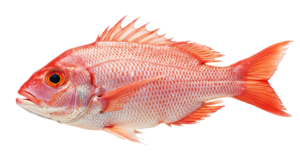
| Red Snapper | — | — | — | — | — | — | — | ⬤ | ⬤ | ⬤ | ⬤ | ⬤ |
| Shrimp | — | — | — | — | ⬤ | ⬤ | ⬤ | ⬤ | ⬤ | ⬤ | ⬤ | ⬤ |
| Lobster | — | — | — | — | — | — | — | ⬤ | ⬤ | ⬤ | ⬤ | ⬤ |
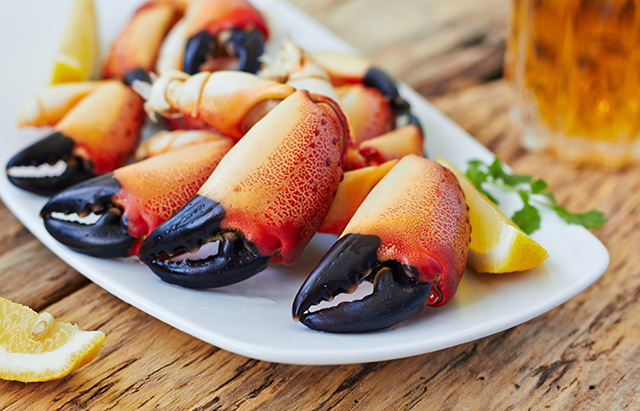
| Stone Crab | ⬤ | ⬤ | ⬤ | ⬤ | — | — | — | — | — | ⬤ | ⬤ | ⬤ |
| Tilapia | ⬤ | ⬤ | ⬤ | ⬤ | ⬤ | ⬤ | ⬤ | ⬤ | — | — | — | — |
| *Availability subject to quota closure | ||||||||||||
Fresh from
Sebastian,
Florida
“Growing up near Sebastian, I’ve seen firsthand the decline of seagrass beds in the Indian River Lagoon. But it’s been amazing to see how the farm has provided sanctuary for everything from juvenile sheepshead, stone crab, even bay scallops and spiny lobsters. Being able to grow food that’s good for people and for the environment–it’s really special.”

Nicolette Mariano
President/Founder, Treasure Coast Shellfish
Consumers
Seafood at Your Fingertips
Southeast Aquaculture Communication Collaborative
Discover lay-friendly resources about Aquaculture in the Southeast United States!
Seafood Office Hours
Florida Sea Grant seafood and food safety expert, Dr. Razieh Farzad, answers questions from the public in this online video series.
Fish Filet How To Videos
This video series teaches how to identify and properly filet and prepare various species of fish that are commonly caught in Florida.
Businesses
Delivering Seafood HACCP Training & Education
Directly Supporting the Local Seafood Workforce
FSG extension agents assist seafood-related businesses in their communities, people working (or looking to work) in the seafood industry. This “seafood network”
includes research experts and aquaculture farmers and commercial fishers with real-world experience and solutions.
Providing Businesses Paid Labor & Mentorship Opportunities
Communities
Organizing Fishing Festivals and Invasive Roundups
Featured Video
Supporting
Farmers
"Know Thy Oyster"
Program Spawns New Business
A Florida Sea Grant agent who was a former oyster farmer and chef teaches other chefs and front of house staff about oyster safety and service, resulting in the opening of a successful raw bar and another new business venture.
Our Favorite Recipes

Seafood at Your Fingertips
Follow Florida Sea Grant chefs as they demo their favorite sustainable, seafood recipes.
Frequently asked questions
Most dietary guidelines recommend eating seafood two to three times per week (about 8–12 ounces total for adults) as part of a healthy diet. Seafood provides high-quality protein and important nutrients like omega-3 fatty acids.
For more information and detailed guidance, visit: https://www.fda.gov/food/consumers/advice-about-eating-fish
Yes. Oysters can be harvested and consumed year-round due to modern refrigeration and strict safety regulations that help ensure their quality. However, people who are immunocompromised or have certain pre-existing health conditions are advised to avoid eating raw oysters because they may be at higher risk of foodborne illness.
Check out this seafood retail locator from Florida Department of Agriculture and Consumer Services.
Sushi-grade is not a regulated or official grading term. It is a marketing term used by seafood sellers to indicate that a fish is considered suitable to be eaten raw. In practice, this often means the fish is high quality, free of physical defects, and has minimal connective tissue for a desirable texture. Because parasites can be a concern when fish is eaten raw, the fish is typically frozen according to established time–temperature guidelines before raw consumption to reduce parasite risk.
Wild-caught seafood is harvested from natural environments such as oceans, rivers, and lakes. Farm-raised seafood comes from aquaculture, where fish or shellfish are raised in controlled environments such as ponds, tanks, or ocean farms. Both farm-raised and wild-caught seafood are nutritious and safe choices. Each provides high-quality protein and important nutrients such as omega-3 fatty acids
Fresh seafood is not automatically better than frozen. The quality depends on how quickly the seafood was chilled or frozen after harvest and how it was handled during storage and transportation. Seafood that is frozen shortly after harvest can retain its freshness, texture, and nutrients. In many cases, frozen seafood can be just as nutritious and high quality as fresh seafood.
Choose a variety of commonly consumed seafood that are typically lower in mercury, such as salmon, shrimp, pollock, tilapia, cod, and catfish. The FDA provides charts that help consumers identify “best choices,” “good choices,” and fish to limit.
See the full FDA guidance here: https://www.fda.gov/food/consumers/advice-about-eating-fish
Florida’s seafood industry is highly regulated. Seafood sold in grocery stores and restaurants is monitored and considered safe to eat during these events. However, consumers should avoid harvesting or consuming seafood from unknown or non-commercial sources. It is always best to purchase seafood from reputable commercial retailers and restaurants.
Ceviche is made with raw seafood that is marinated in citrus juice such as lime or lemon. Although the acid changes the texture of the fish and makes it appear cooked, it does not fully cook the seafood or reliably kill harmful bacteria or parasites. For this reason, ceviche is still considered a raw seafood dish. People who are pregnant, immunocompromised, older adults, or those with certain pre-existing health conditions should avoid eating raw seafood, including ceviche.