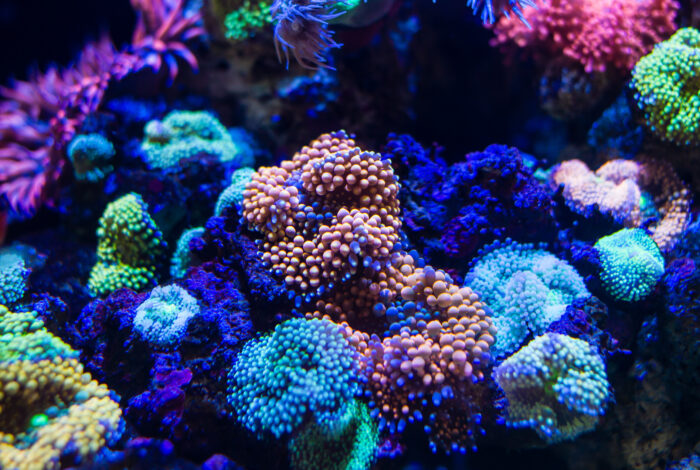
Episode 22 – Coral Spawning
Today on Marine Science Minute with Florida Sea Grant: coral spawning.

Today on Marine Science Minute with Florida Sea Grant: coral spawning.
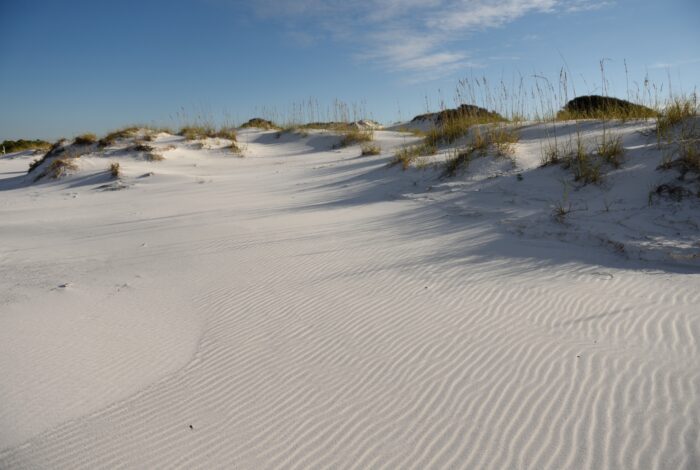
Today on Marine Science Minute with Florida Sea Grant: Sand dunes. Did you know that sand dunes are nature’s line of defense? Sand dunes are natural coastal mounds formed by the accumulation of wind-blown sand, support unique ecosystems and wildlife,
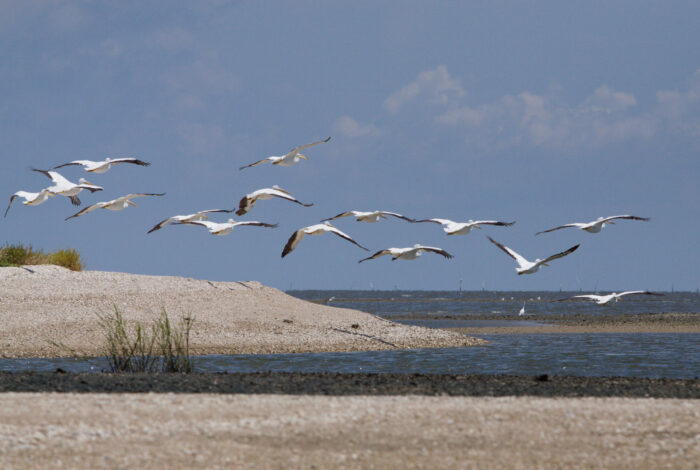
Today on Marine Science Minute with Florida Sea Grant: Bird-friendly fishing! Birds in flight are a beautiful sight, but disturbance by boaters threatens the nesting success and survival of coastal birds. If birds fly away as you approach, you are
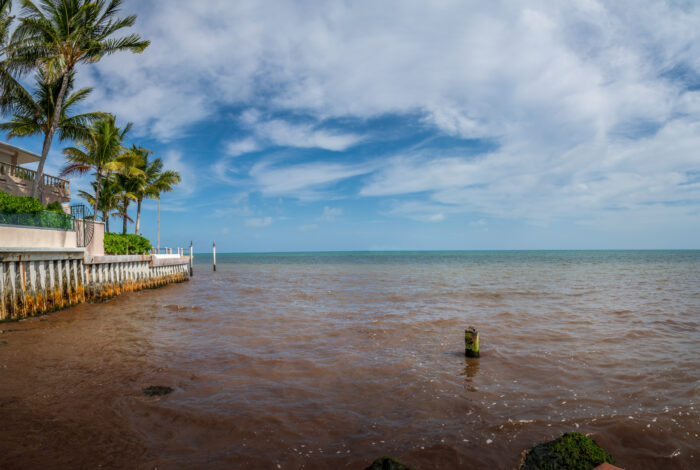
Today on Marine Science Minute with Florida Sea Grant: Red Tide. Red tide is the name for the harmful algal bloom caused by the algae, Karenia brevis. Red tides often affect Florida’s Gulf Coast during the summer and fall. Red
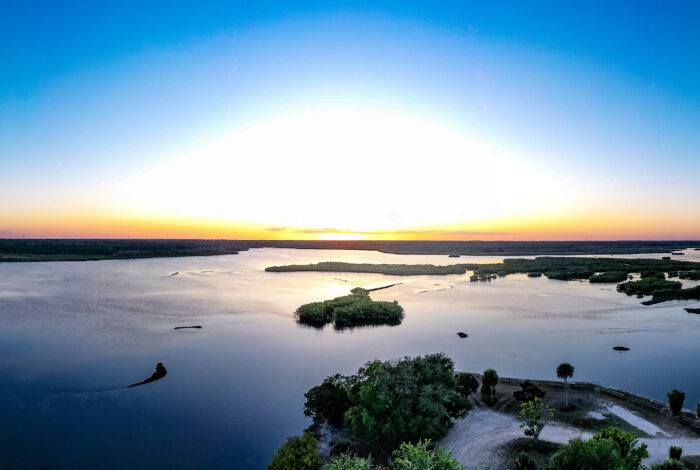
Today on Marine Science Minute with Florida Sea Grant: Watersheds. A watershed is an area of land where water drains or funnels into a common water body. Actions in a watershed, such as development or wetland restoration, can either help
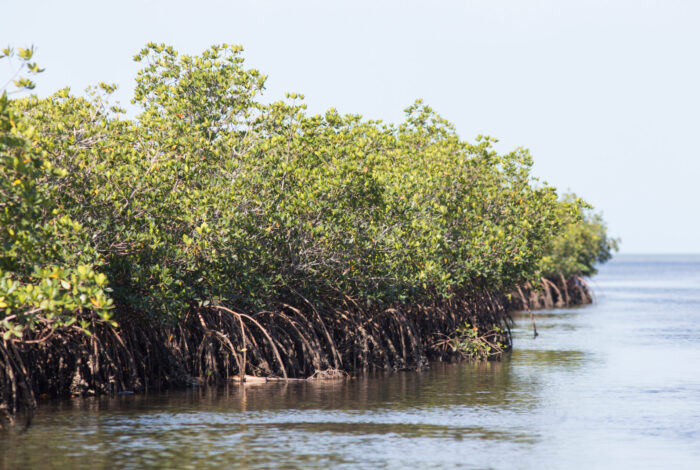
Today on Marine Science Minute with Florida Sea Grant: Mangroves! Mangroves are tropical trees that grow in coastal areas. They are adapted to life in salt water and benefit the environment in lots of ways.
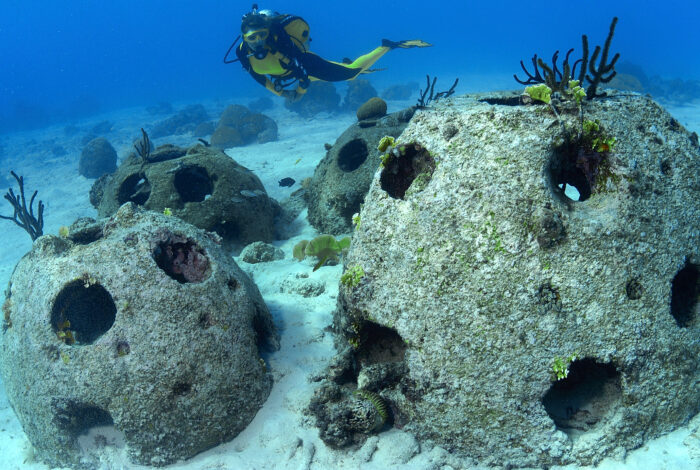
Today on Marine Science Minute with Florida Sea Grant: Artificial Reefs. Did you know that Florida has one of the most active and diverse artificial reef programs in the US and the world? Artificial reefs are man made structures materials
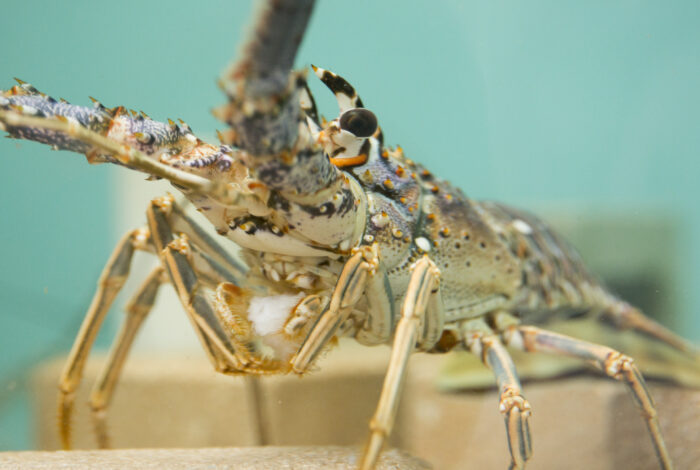
Today on Marine Science Minute with Florida Sea Grant: Lobstering The Caribbean spiny lobster is the species spotted most frequently around Florida’s waters and dinner plates. This species lacks claws for pinching and can be found on reefs and rocky
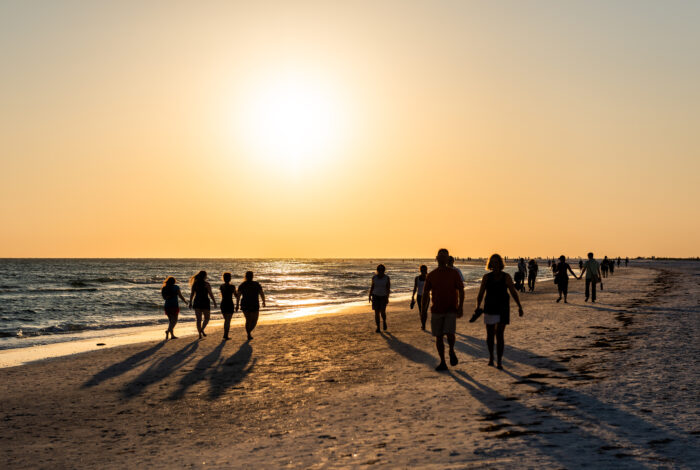
Today on Marine Science Minute with Florida Sea Grant: Clean Beaches. The first week of July is Clean Beaches Week. Removing trash from the beach is always important, especially during this busiest beach week of the year. Remember to dispose
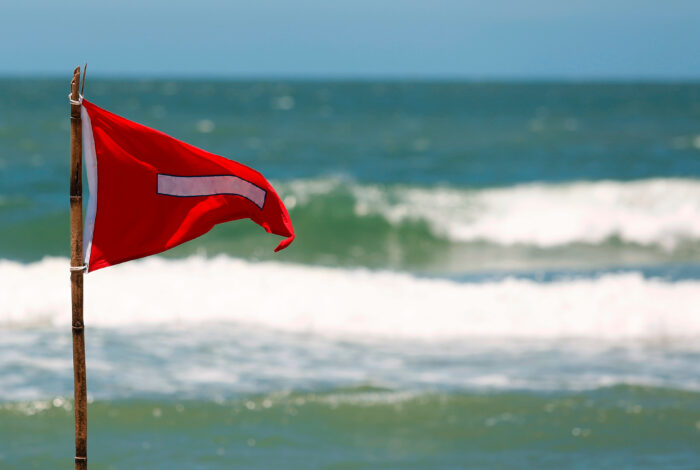
Today on Marine Science Minute with Florida Sea Grant: Rip Currents. Summertime in Florida means going to the beach. We all want to have fun, but it is important to understand the ocean and be safe. 80% of ocean rescues
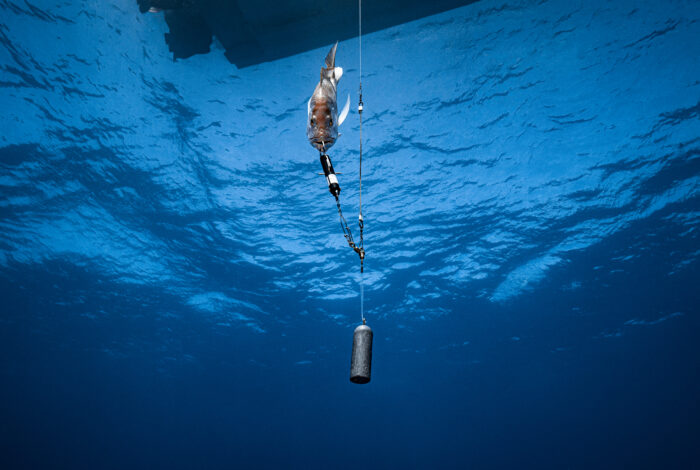
Today on Marine Science Minute with Florida Sea Grant: Barotrauma & Return ‘Em Right. Fish suffering from barotrauma are likely to survive release when anglers use best practices including venting and descending.
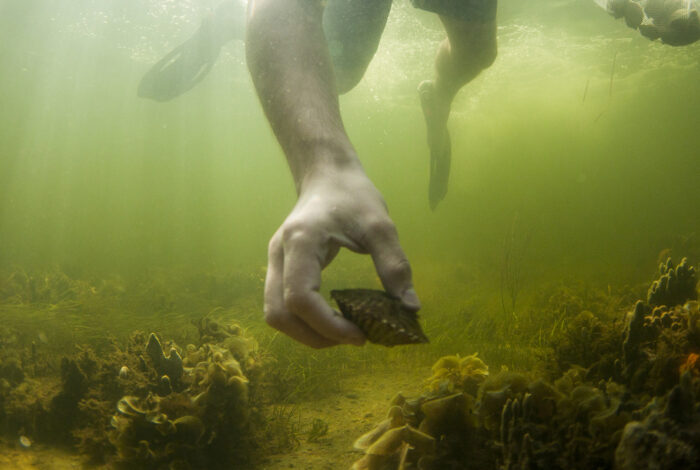
Today on Marine Science Minute with Florida Sea Grant: Scalloping! Summer means scallop season is here, and sustainability is key. You can safeguard our bay scallop populations for future seasons by following these tips:
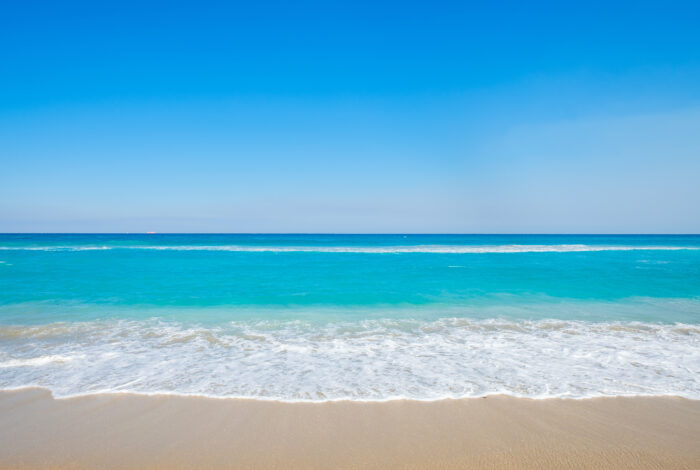
Today on Marine Science Minute with Florida Sea Grant: World Ocean Day. Planet Earth is 71 percent water. Our bodies consist of 70 percent water. On World Ocean Day, we recognize and celebrate our connection to the water.
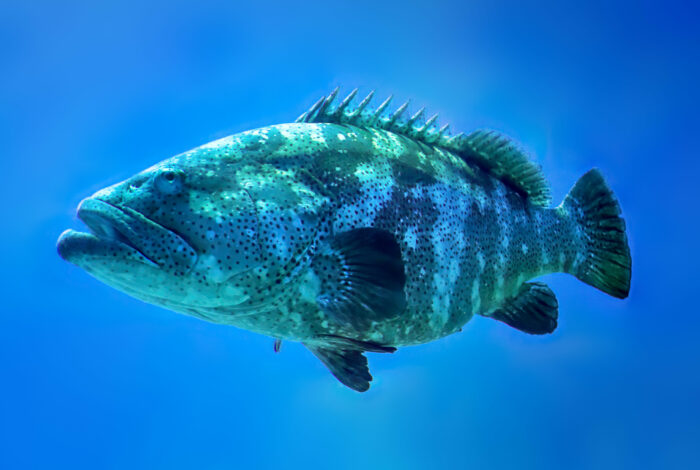
Today on Marine Science Minute with Florida Sea Grant: Goliath Grouper. Goliath grouper are the largest fish in the tropical western Atlantic, growing as large as 8 feet long and weighing up to 800 pounds!
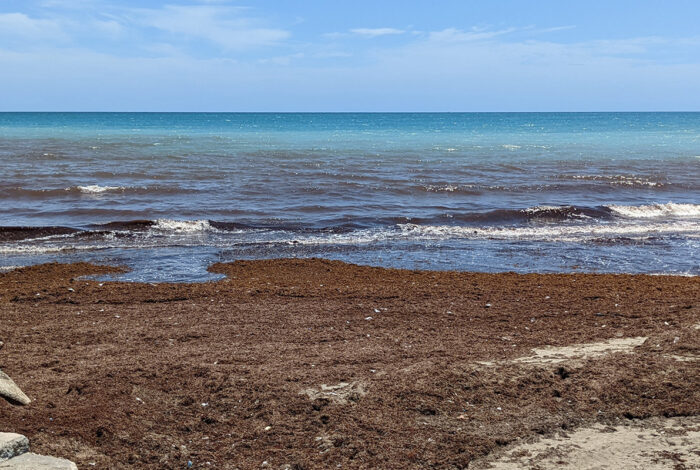
Today on Marine Science Minute with Florida Sea Grant: Sargassum. Sargassum, a free-floating brown seaweed, has received lots of media attention in recent years. This is a naturally occurring species that originates in the eastern Atlantic in an area known