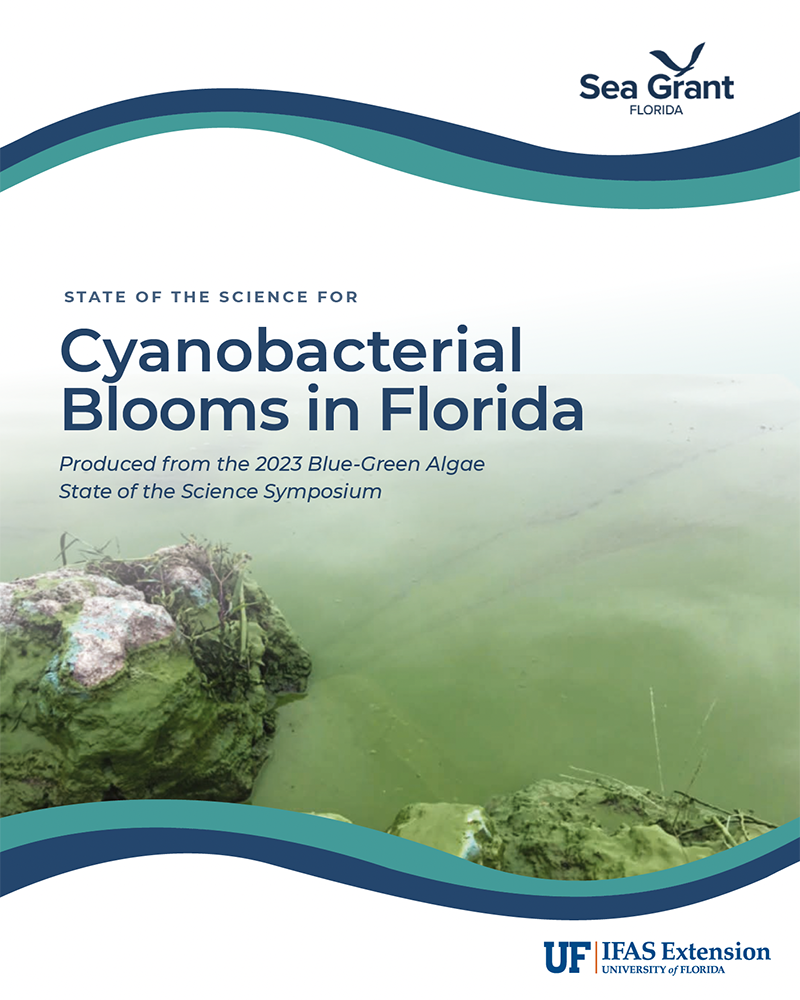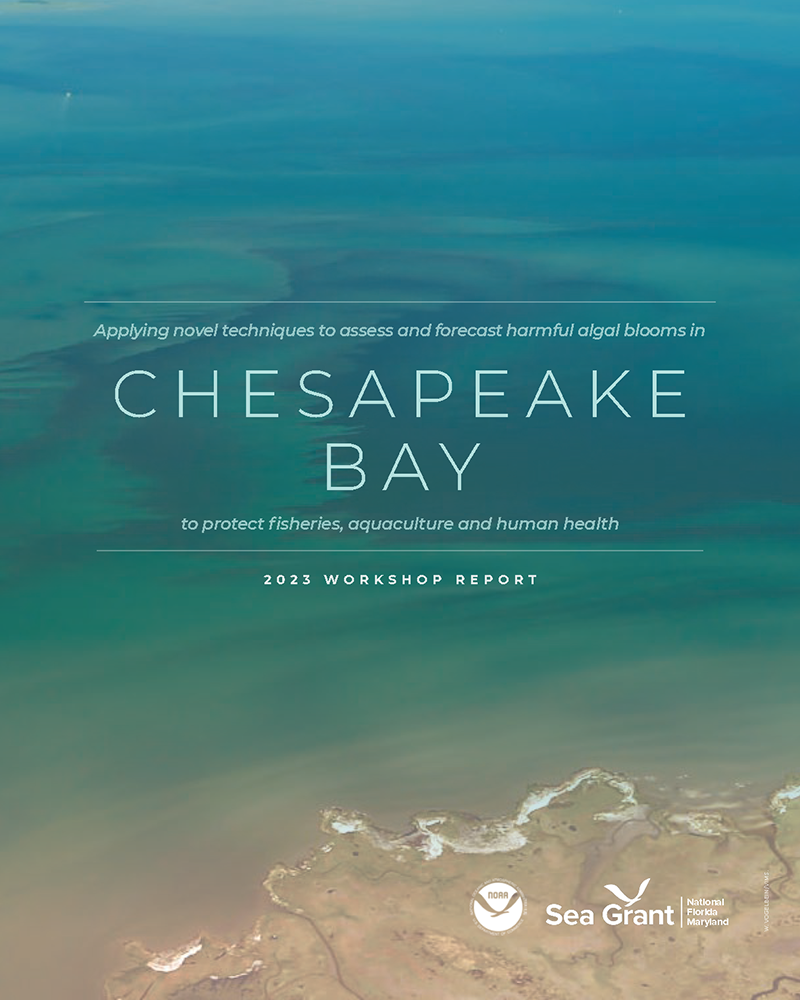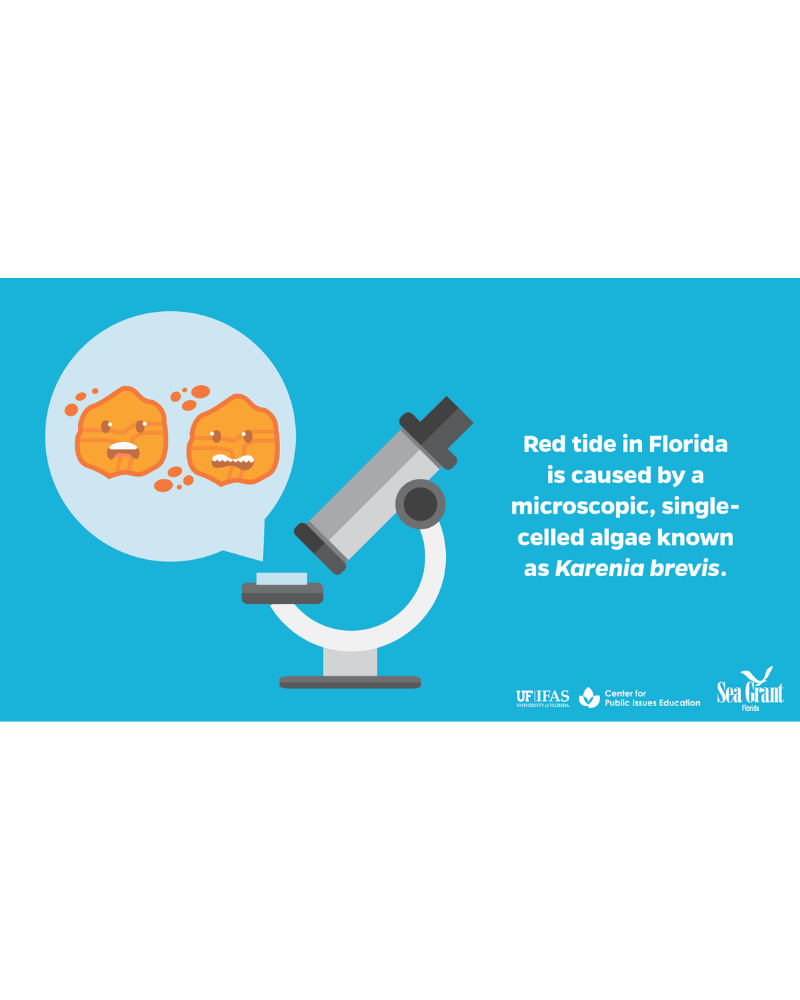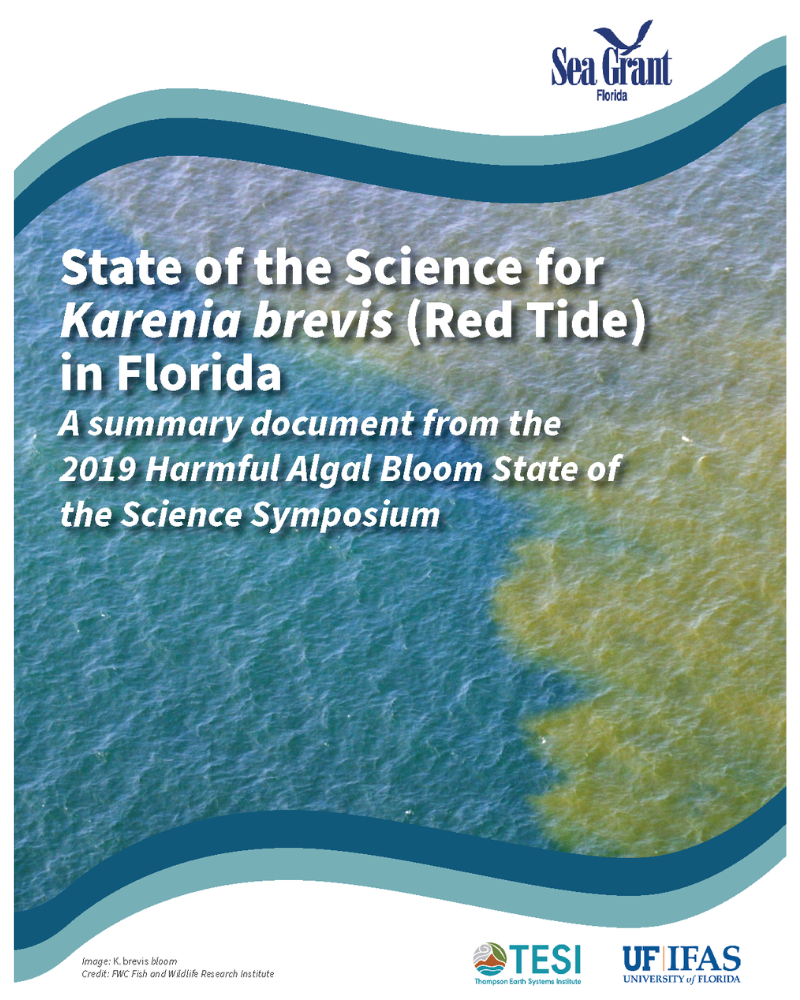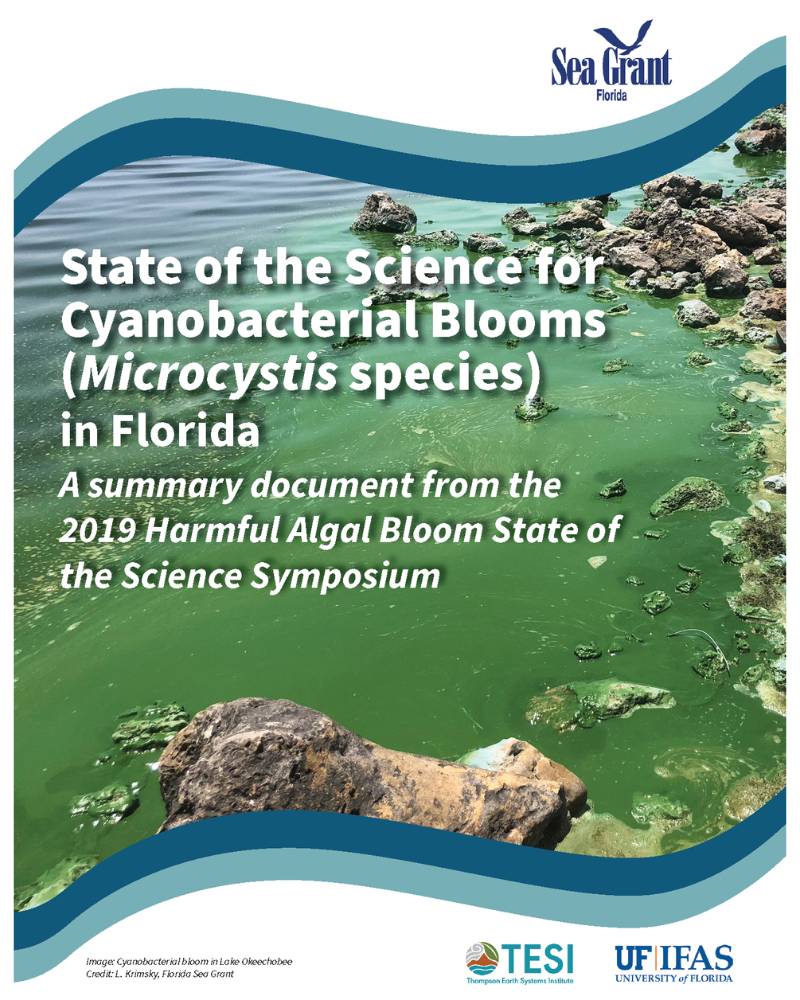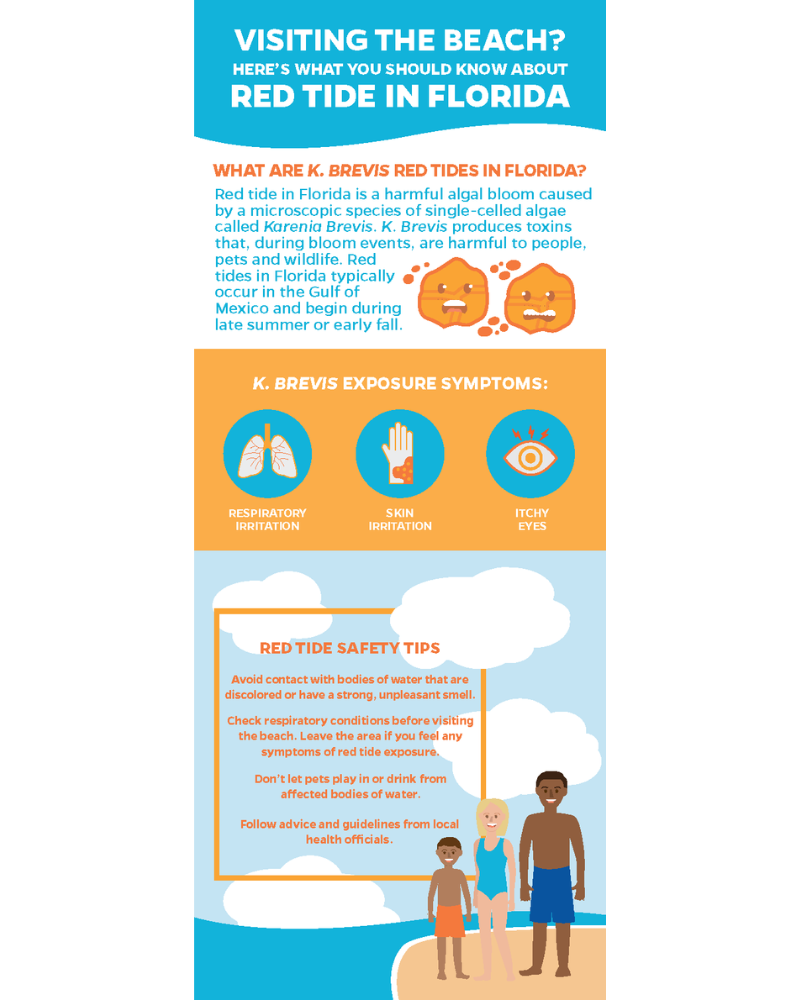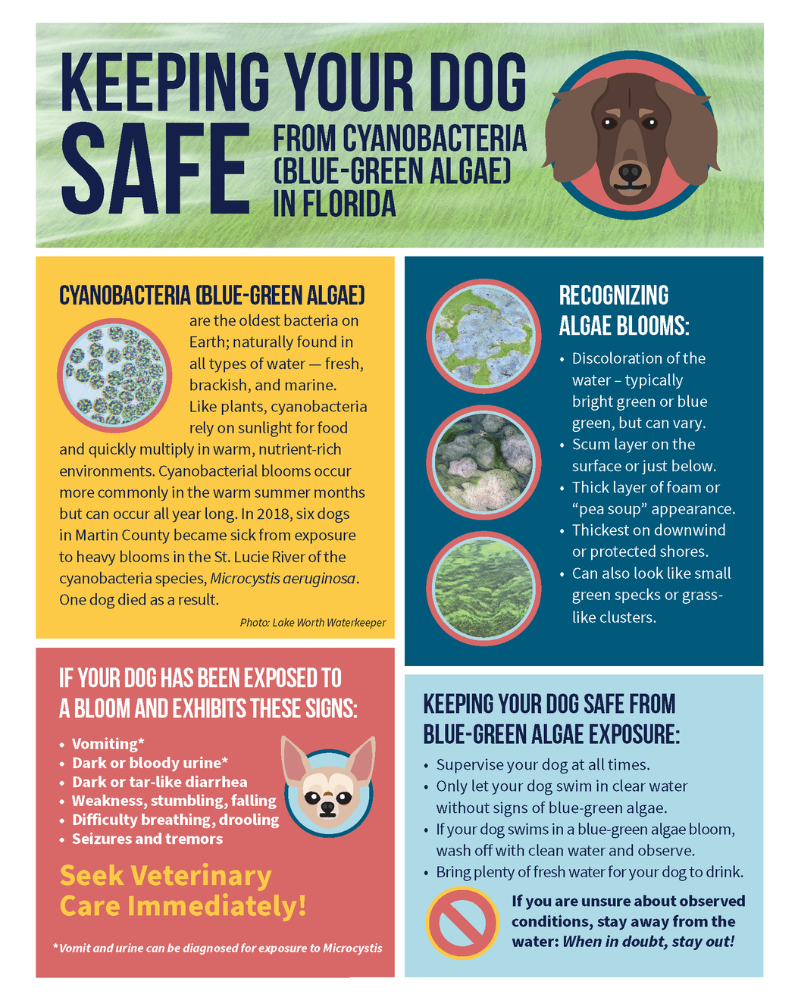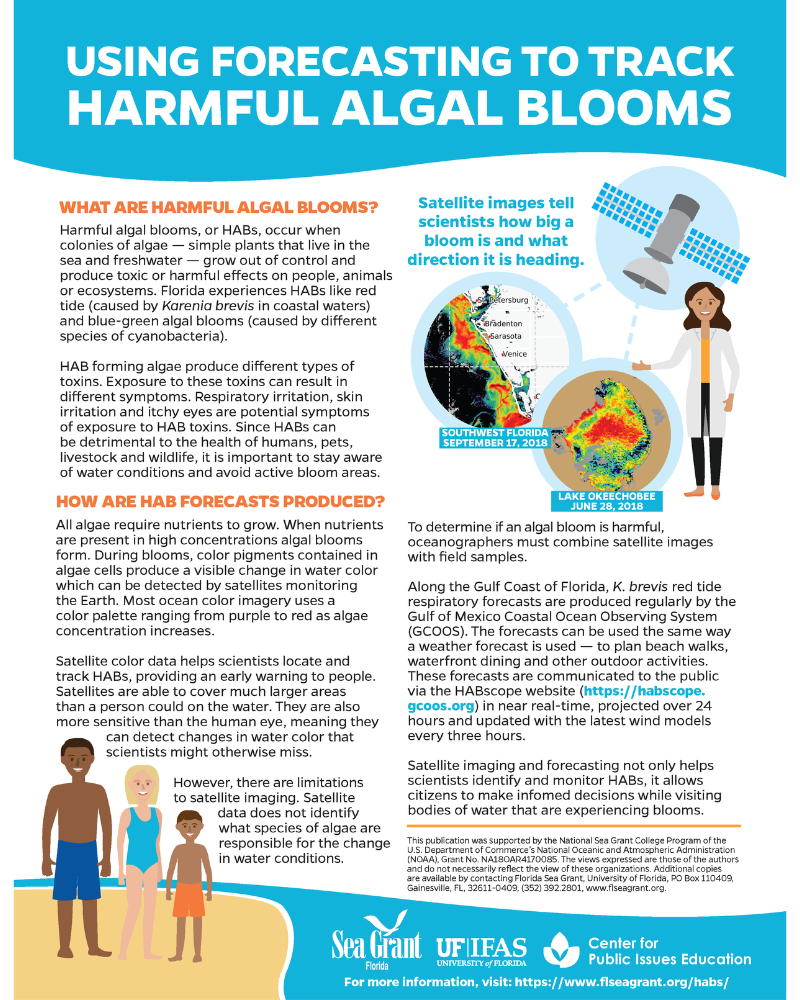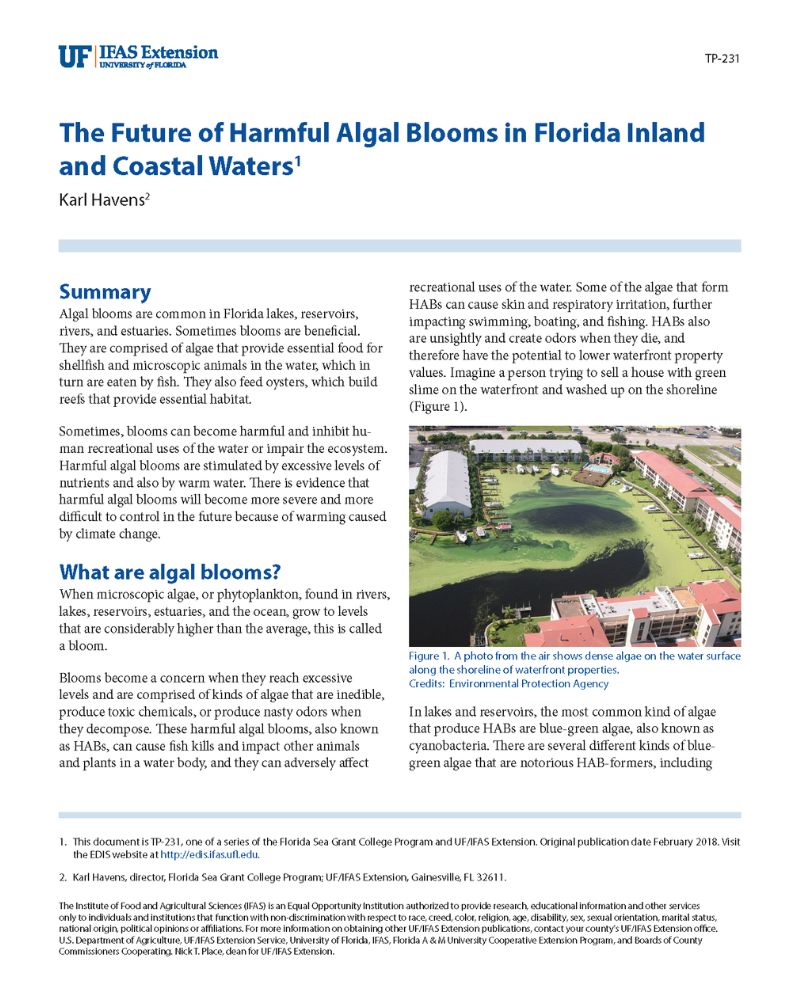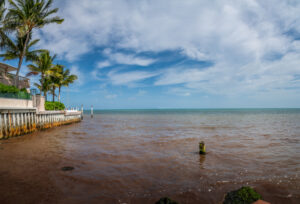
Florida is known for its water resources. It boasts beaches and estuaries on both coasts, thousands of miles of rivers, lakes, and springs. The state’s vast salt and freshwater resources also support populations of bloom-forming algae. Most of these algae are beneficial and are the foundation of the aquatic food web. However, dozens of species can form algal blooms, the rapid and substantial increase in algal biomass. Some of these blooms can become harmful through the production of toxins or by causing other negative impacts to the environment and aquatic ecosystem. These blooms are called harmful algal blooms (HABs).
Mitigating the impacts of HABs is complex due to the diversity of species and aquatic systems, the various chemical, physical, and biological interactions within these systems, and human activities and interactions within our watersheds. Florida Sea Grant agents and researchers conduct science-based research and extension activities to educate stakeholders and guide decisions to mitigate the impacts of harmful algal blooms in the state’s waters.
State Resources for Monitoring & Reporting
The state of Florida has one of the country’s most robust monitoring and reporting programs for marine and freshwater HABs. Residents and visitors can use these resources to learn about the current status of HABs in Florida and be part of an informed citizenry:
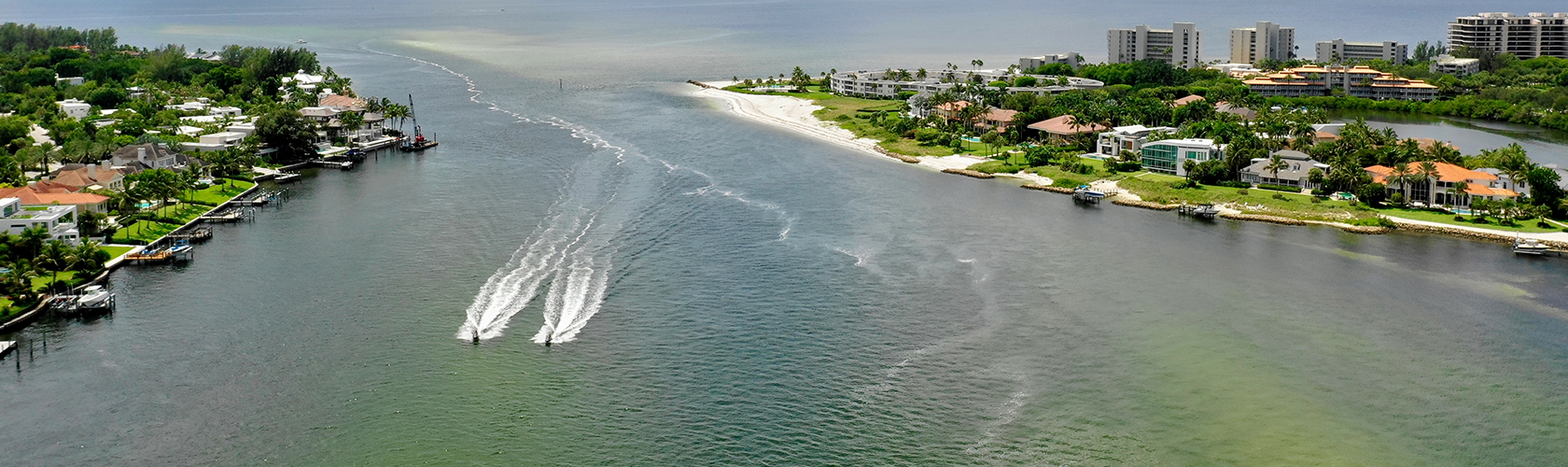
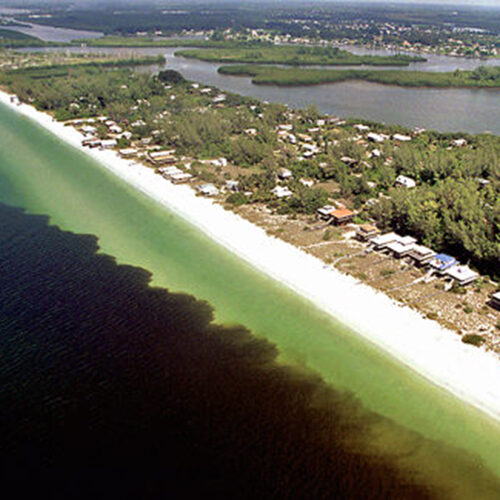
Red tide visible along Sarasota’s coast during the summer of 2018. Ryan McGill