


Today on Marine Science Minute with Florida Sea Grant: Derelict Traps
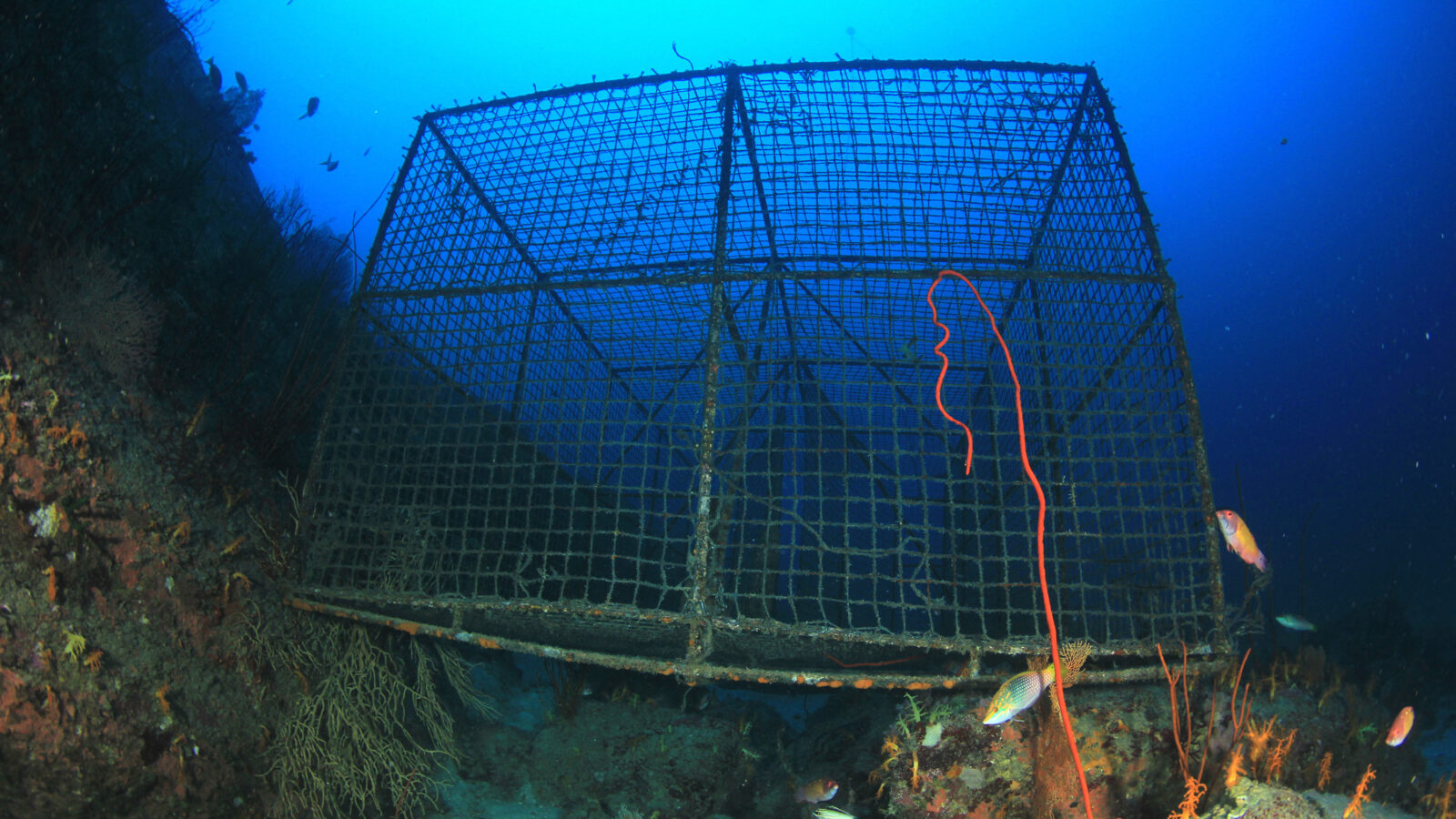
Commercial and recreational fishing are a large part of Florida’s economy. Use of pots or traps is a common method for lobster and crab fishing but sometimes can have negative impacts on the environment.
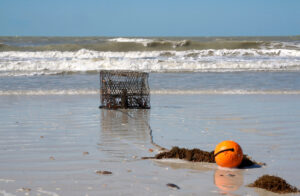
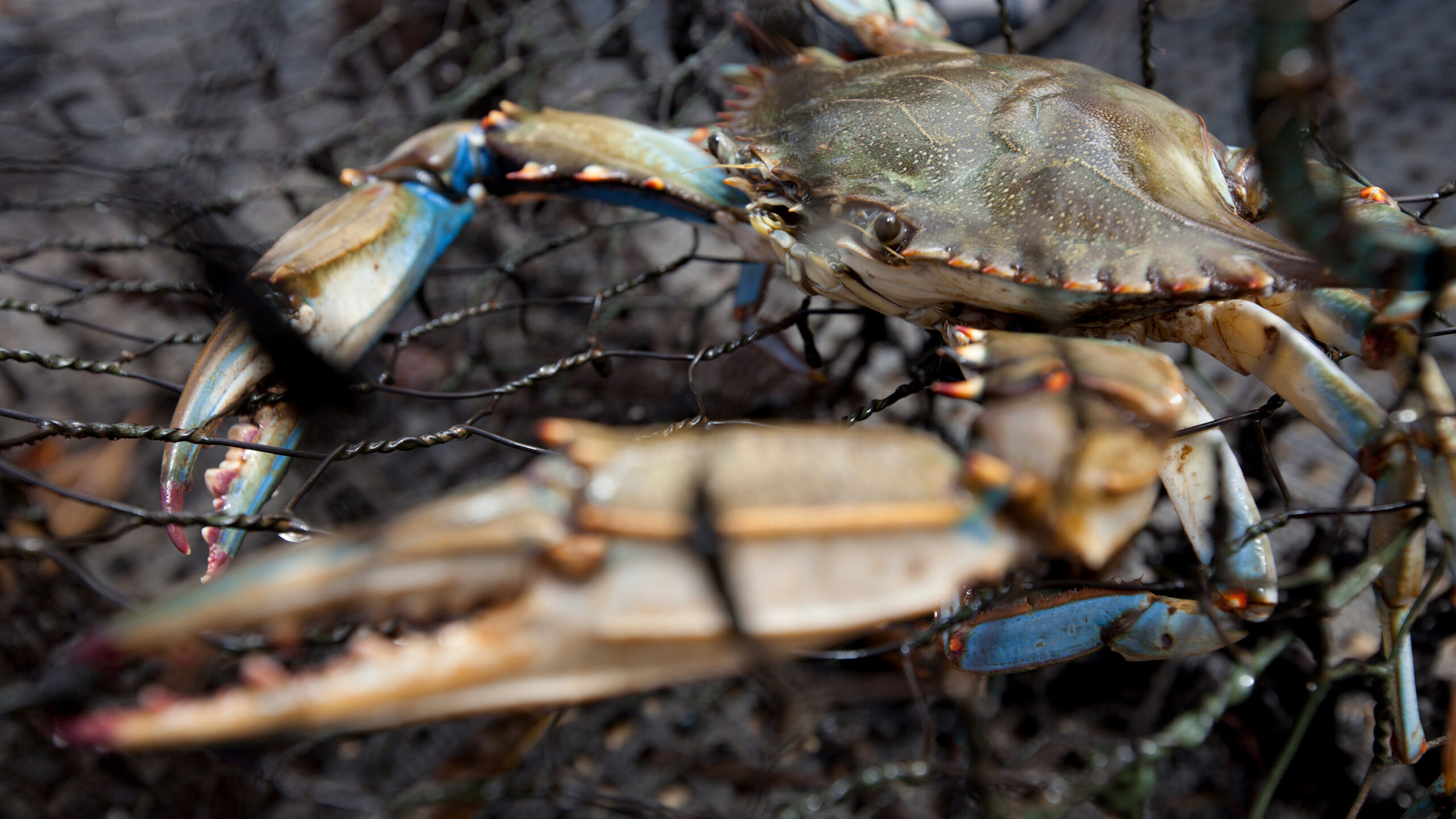
If a trap becomes damaged, lost or separated from its buoy, or abandoned, there is a good chance that it becomes derelict, or dysfunctional. Derelict traps can continue to trap wildlife, or ghost fish, damage sensitive habitats like seagrasses and coral reefs, and even create navigational hazards.
It is illegal to tamper with or remove traps even if they appear derelict, instead take a GPS point and consult Florida Fish and Wildlife. Florida Sea Grant works with Florida Fish and Wildlife and other partners to educate about and remove derelict traps.
For information about this and other coastal topics, contact your county extension office or visit Florida Sea Grant at flseagrant.org.