
Florida Sea Grant is proud to announce that Samuel Kwawukume, a Ph.D. student in Food Science at Florida State University, has been selected as a 2025 recipient of the Aylesworth Scholarship. This year marks a special milestone for both Samuel and the program: he is a returning recipient, having first earned the award in 2023 during his master’s studies.
In a joint effort with the Aylesworth Foundation for the Advancement of Marine Sciences, the Southeastern Fisheries Association, and Florida Sea Grant, the scholarship supports university students engaged in research and academic disciplines that have direct application in ocean science, ranging from biology, engineering, and economics to food science, journalism, and education. The Aylesworth Scholars are funded until they have graduated and completed their respective degrees.
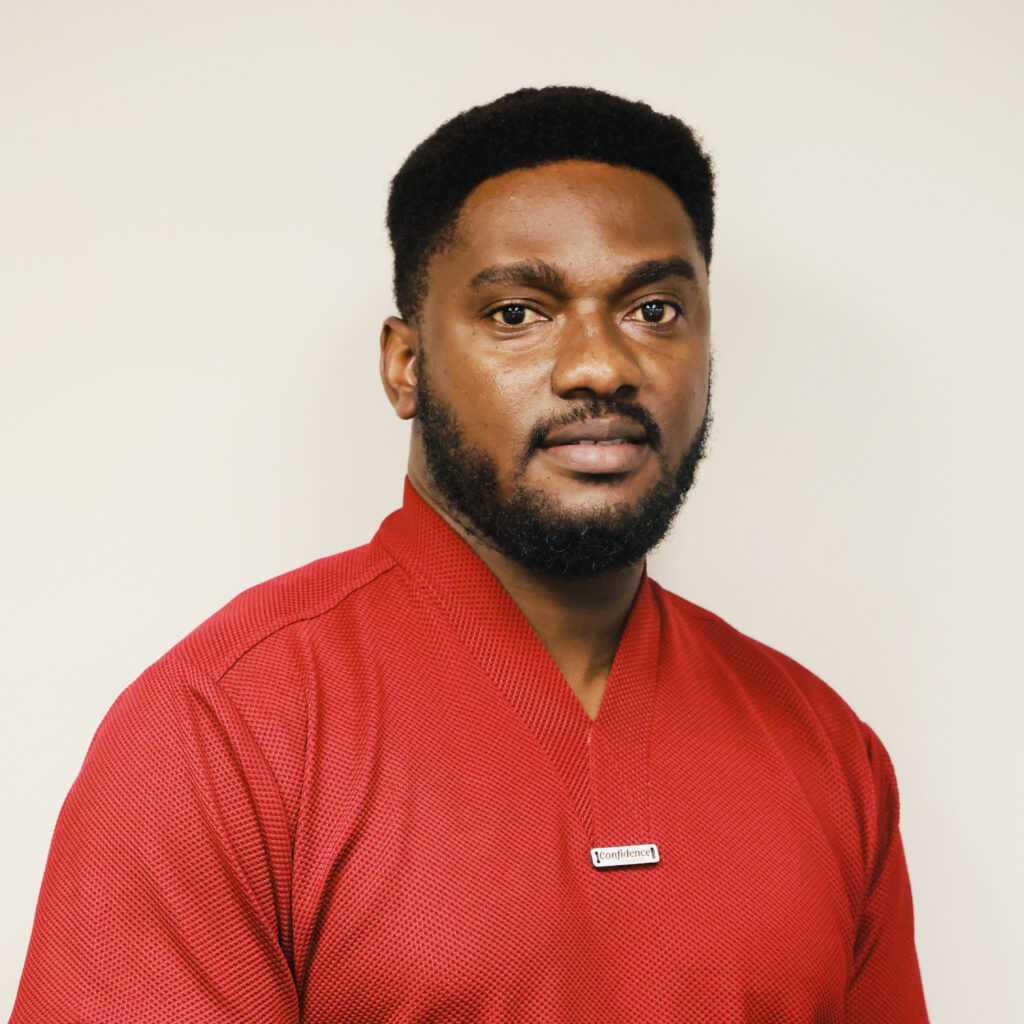
Welcoming Back Samuel:
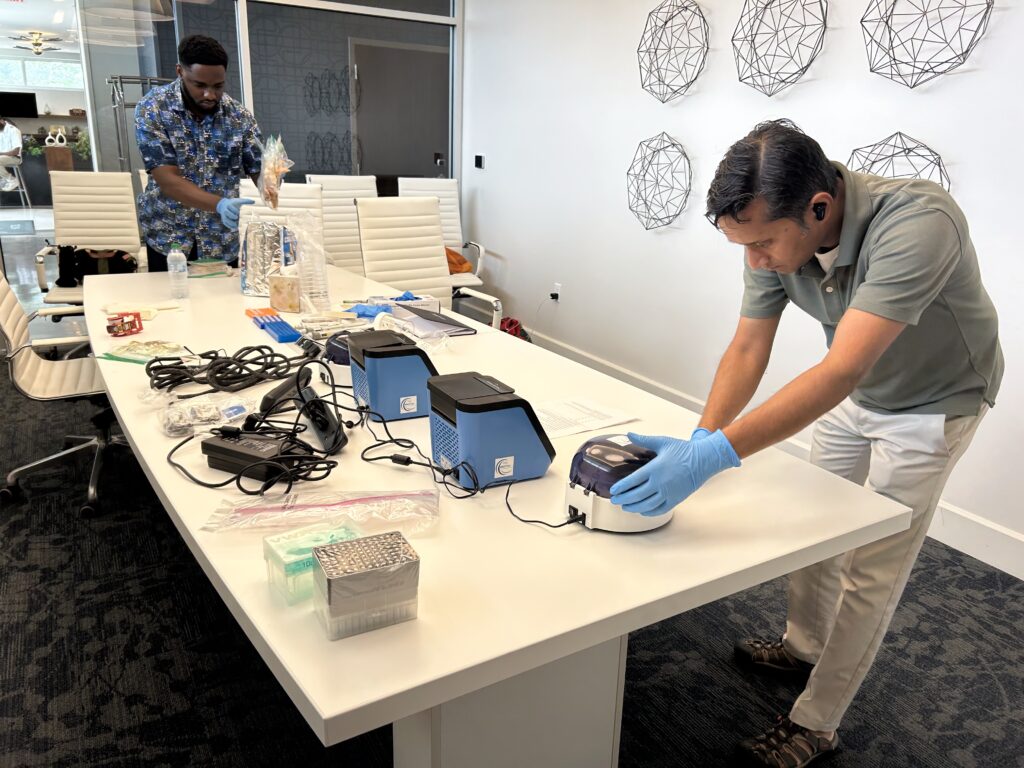
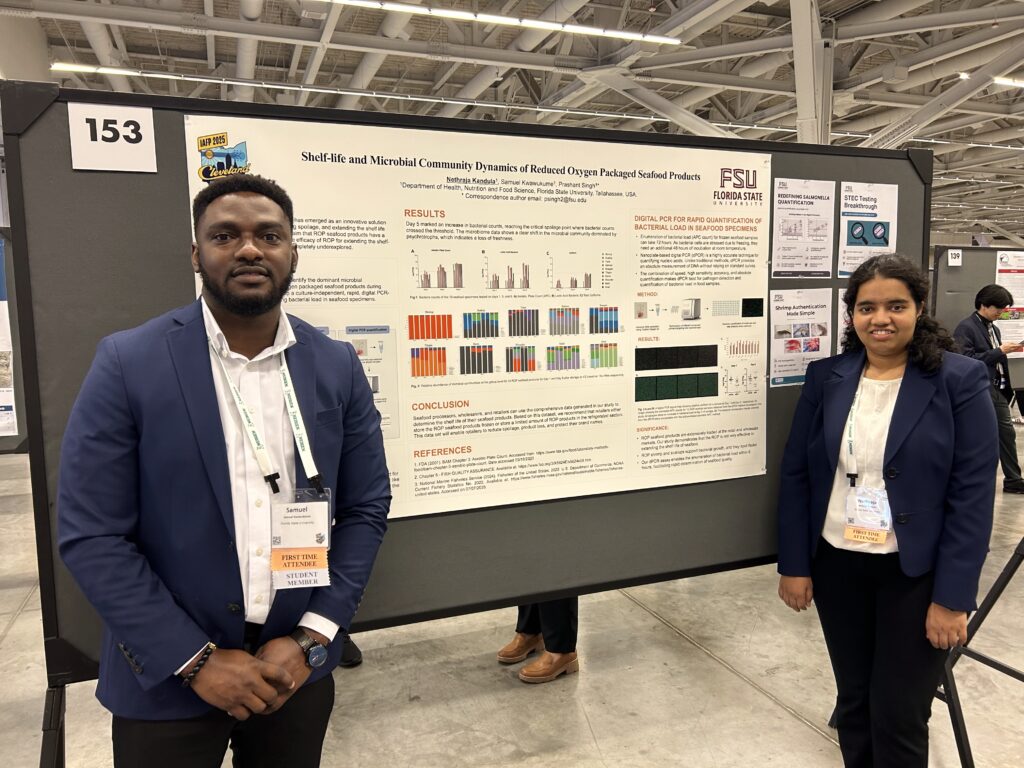
Samuel’s research focuses on seafood safety, specifically developing tools to rapidly detect pathogens and improve the shelf life of processed seafood products. His doctoral work in Dr. Prashant Singh’s laboratory includes creating digital droplet PCR techniques to speed up microbial testing in seafood and exploring treatments, such as peracetic acid and lactic acid, to improve the safety of reduced oxygen packaged seafood.
The Aylesworth Foundation selected Samuel this year in recognition of the significance and potential impact of his work. His research aligns with the foundation’s mission to support innovative solutions that benefit Florida’s environment, economy, and seafood industry.
Florida Sea Grant dived into catch up with Samuel and find out how he sees his research evolving moving forward into his Ph.D. program:
What does it mean to you to receive the Aylesworth Scholarship for a second time as you begin your Ph.D. work?
Receiving the Aylesworth Scholarship for a second time as I begin my doctoral studies focusing on seafood safety and species authentication is both humbling and motivating. It reinforces my commitment to advancing research that protects consumers, supports sustainable fisheries, and ensures transparency in the seafood supply chain. This recognition does not only validate the importance of our work but also strengthens my resolve to contribute meaningful solutions to challenges like seafood fraud and public health risks.
How has your research evolved since the last time you were awarded and what are the next big steps in your Ph.D. work?
Since receiving the Aylesworth Scholarship the first time, my research has grown significantly in both scope and impact. Initially, we focused on identifying mislabeled seafood products using DNA barcoding and progressed by expanding to include rapid molecular techniques by developing genetic based assays coupled with immunochromatographic detection tools that enhances shrimp and snapper species authentication on-site. In collaboration with SeaD Consulting, we have performed on-site testing of shrimp using our assays in the gulf states including Alabama, Florida, Louisiana, and Texas to identify and report mislabeling in the shrimp industry. I have also begun exploring the intersection of seafood fraud with public health risks, particularly how mislabeling can be regulated. The next big steps involve developing scalable methods for real-time species verification, integrating digital molecular techniques to seafood species identification and pathogen detection to improve accuracy and reliability. I am also exploring collaborating with regulatory agencies to translate research findings into actionable policies that strengthen seafood traceability and consumer protection. This phase of my work aims to bridge the gap between lab-based science and real-world application, ensuring safer and more transparent seafood markets.
How will this renewed support help you reach your career goals?
This renewed support from the Aylesworth Scholarship and Florida SeaGrant is instrumental in helping me reach my career goals. It allows me to dedicate more time and resources to developing innovative tools for species authentication and seafood safety work that I hope will directly impact regulatory practices and industry standards. With this backing, I can attend key conferences, collaborate with experts across disciplines, and access advanced technologies that elevate the quality and reach of my research. Ultimately, this support brings me closer to my goal of becoming a leading scientist in seafood safety, contributing to safer food systems and more sustainable fisheries worldwide.
What first inspired your interest in seafood safety, and what keeps you motivated to continue working in this field?
My interest in seafood safety was first sparked during my graduate studies under the mentorship of Dr. Prashant Singh where I learned about the widespread issue of seafood mislabeling and its implications for health, sustainability, and economic fairness and the need for expertise in this field. He took me through well-curated lessons and laboratory sessions in molecular techniques and research communication. Coming from Ghana—a country with a rich fishing culture—I saw first-hand how critical seafood is to livelihoods and nutrition. What keeps me motivated is the real-world impact of our research, knowing that our research protects consumers, supports honest producers, informs regulatory and legislative decisions, and contributes to global food security. Every discovery, every collaboration, and every challenge overcome brings me closer to making a lasting difference in the field of seafood safety.
Why is Florida an important place to pursue your work in seafood safety?
Florida is an ideal place to pursue my work in seafood safety and species authentication because of its unique position at the intersection of marine biodiversity, commercial fishing, and global seafood trade. As one of the top seafood-producing states in the U.S., Florida faces both opportunities and challenges in ensuring the integrity and safety of its seafood supply. The state’s extensive coastline, diverse ecosystems, and active ports make it a critical hub for monitoring seafood quality and combating issues like mislabeling and contamination. Being based in Florida also provides access to a leading research institution, Florida State University where I utilize facilities and resources in the department of Health, Nutrition, and Food Science under excellent faculty mentorship. Furthermore, I have the opportunity to collaborate with seafood industry stakeholders, and access to opportunities such as Florida Sea Grant, who are deeply invested in sustainable fisheries and public health. Additionally, Florida’s warm, coastal climate closely resembles that of Ghana, my home country. This similarity does not only make the transition and transfer of my research skills acquired in the US smoother but also allows me to draw meaningful parallels between seafood safety challenges in both regions, strengthening the global relevance of my research and deepening my personal connection to the work I do.
This environment fosters collaboration and real-world impact, allowing my research to directly support local communities, inform policy, and contribute to national and international seafood safety standards.
How do you hope your research will directly benefit seafood consumers, processors, and the industry in Florida?
I hope my research will directly benefit seafood consumers, processors, and the industry in Florida by providing reliable tools for species authentication and traceability. For consumers, this means greater confidence in the safety and authenticity of the seafood they purchase. For processors, my work aims to streamline verification processes, reduce testing time, and improve compliance with labeling regulations. For the broader industry, these innovations can enhance transparency, protect brand integrity, and support sustainable fishing practices. Ultimately, my goal is to help build a seafood system that is safer, more trustworthy, and better equipped to meet the demands of a growing and increasingly informed public.
Want to learn more?
To learn more about Samuel’s research and previous work on combating seafood mislabeling, check out this feature on the FSG Blog.
Continuing Aylesworth Scholars include:
- Luciana Banquero, University of Central Florida (2023 – Present)
- Olivia Blondheim, University of South Florida (2023 – Present)
- Liam Kehoe, University of Florida (2022 – Present)
- Paul McDonald, University of Florida (2022 – Present)
To learn more about the Aylesworth Scholarship and other student opportunities offered by Florida Sea Grant, visit: https://www.flseagrant.org/student-opportunities/.