
Dr. Sharon Cilano’s inception of marine and coastal work didn’t transpire at the shorelines of Louisiana. In fact, she did not step foot on a beach until she was 16 years old. Instead, she grew up in freshwater systems near the Mississippi River, spending her childhood years fishing on lakes and roaming the aisles of seafood markets, eventually guiding her toward a career in education, community engagement, and aquaculture.
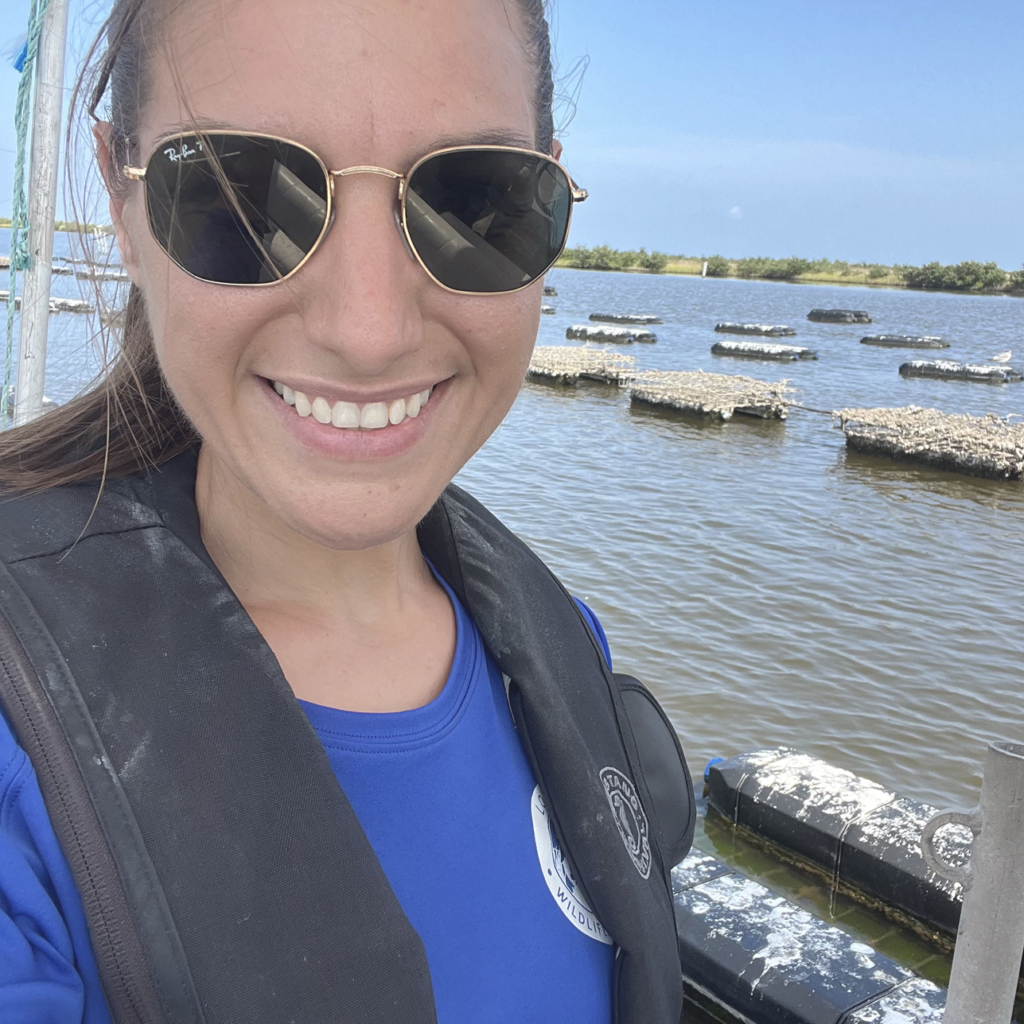
Her passions led her to attend Hartwick College, where she studied archaeology and anthropology. She later earned a Master of Natural Sciences from Louisiana State University, focusing on community-based conservation. She also earned a Master of Science in Education and Special Education, as well as a Doctor of Education in Adult Education and Workforce Development, from Northwestern State University, where her doctoral work focused on seafood literacy.
“I pursued adult education because I never believed adults are simply ‘stuck in their ways.’ People often say children are easier to teach because of brain plasticity, but I see learning differently. If I walk up to a door marked ‘push’ and pulled, the issue isn’t inability. It’s perspective and experience,” says Dr. Cilano.
Dr. Cilano’s professional career has centered on supporting coastal communities and aquaculture practices. Dr. Cilano previously worked with the Louisiana Department of Wildlife and Fisheries (LDWF) as an aquaculture oyster regulator, overseeing alternative oyster culture methods, including on-bottom and off-bottom oyster farming systems. She also served with the Florida Department of Agriculture and Consumer Services, where her work focused on aquaculture education, outreach, and grant programs.
Today, Dr. Cilano serves as the Florida Sea Grant UF/IFAS Franklin County Extension Director, a role that allows her to combine her passion for aquaculture with her dedication to education.
Known for its expansive coastline and barrier islands such as St. George Island, Franklin County has long been recognized for its rich fishing heritage, historical oyster fisheries, and a tourism industry that earned a #1 spot for best beaches in the U.S. However, the strong fishing community was deeply impacted by the Deepwater Horizon oil spill, which affected local industries and infrastructure.
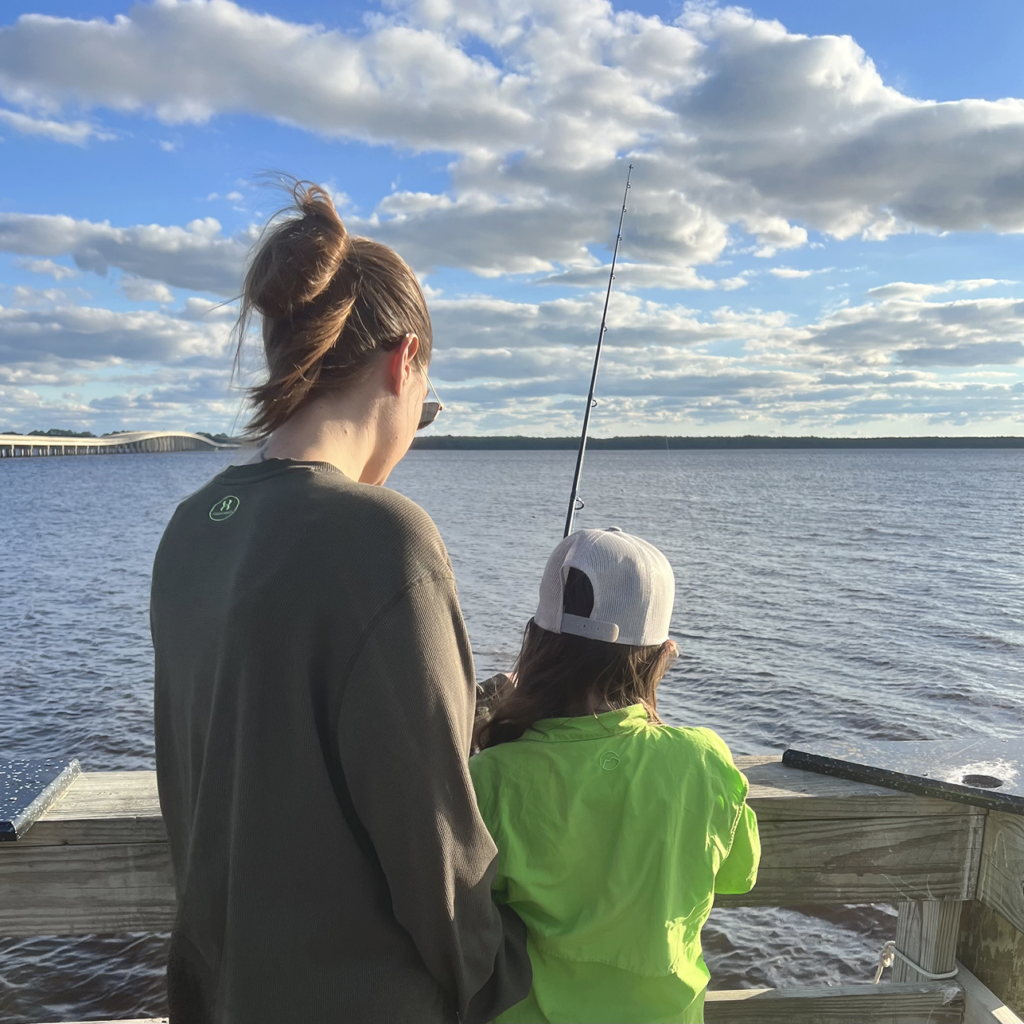
“Going into a small area and not being from that area always poses its own challenges,” says Dr. Cilano. “I think the most important thing for me in my role is learning what the local needs are but also what the sense of community is like. For as long as I’ve lived here, everybody knows everybody and most importantly, has each other’s back.”
Through collaboration and education, she hopes to help preserve the area’s cultural identity while creating economic opportunities for future generations.
“We’re hoping to keep a lot of that culture here by building workforce development opportunities for our youth and young adults,” says Dr. Cilano. “We want them to know they have options and a future within their own community.”
In her current role as County Director, Dr. Cilano will work closely with local communities, stakeholders, city and county commissioners to tailor programs to the counties’ natural and economic challenges; some programs will include shoreline and oyster restoration projects, aquaculture support and sustainable seafood practices, and rebuilding youth engagement through 4-H programs and workforce development initiatives.
“We are excited to welcome Dr. Cilano to the Florida Sea Grant family,” says Dr. Laura Tiu, Florida Sea Grant Associate Director of Extension and Education. “Her skills and experience will make an immediate impact in Franklin County while strengthening our work statewide. Her expertise in workforce development is particularly important as many coastal businesses grapple with ongoing recruitment and retention challenges.”