
Publications
Document Download
Factsheet Content: Sea Level Rise & Infrastructure
Header: Part 1 of the Factsheet Series ‘Law & Adaptation in Florida’ by Sea Grant and the University of Florida.
Main Introduction
Sea levels are rising and will continue to rise at increasing rates for hundreds of years. Sea level rise (SLR) and climate change (CC) can harm major infrastructure in many ways.
Impacts of Sea Level Rise
- Decrease the efficacy of drainage systems and cause flooding.
- Increase coastal erosion, threatening all types of public and private infrastructure.
- Leave roads frequently inundated at high tide due to rising water.
- Damage the base of roads, leading to more frequent maintenance of failing roads.
- Overtop and damage publicly or privately owned seawalls.
- Damage wastewater systems through increased inflow and infiltration of saltwater that degrades the biological and physical infrastructure of the system.
- Increase salinity in groundwater, causing deterioration of underground infrastructure and result in salinization of existing water-supply wells.
- Increase groundwater levels too close to septic drain fields, which prevents the system from effectively removing nutrients and pathogens.
Image Figure & Sidebar
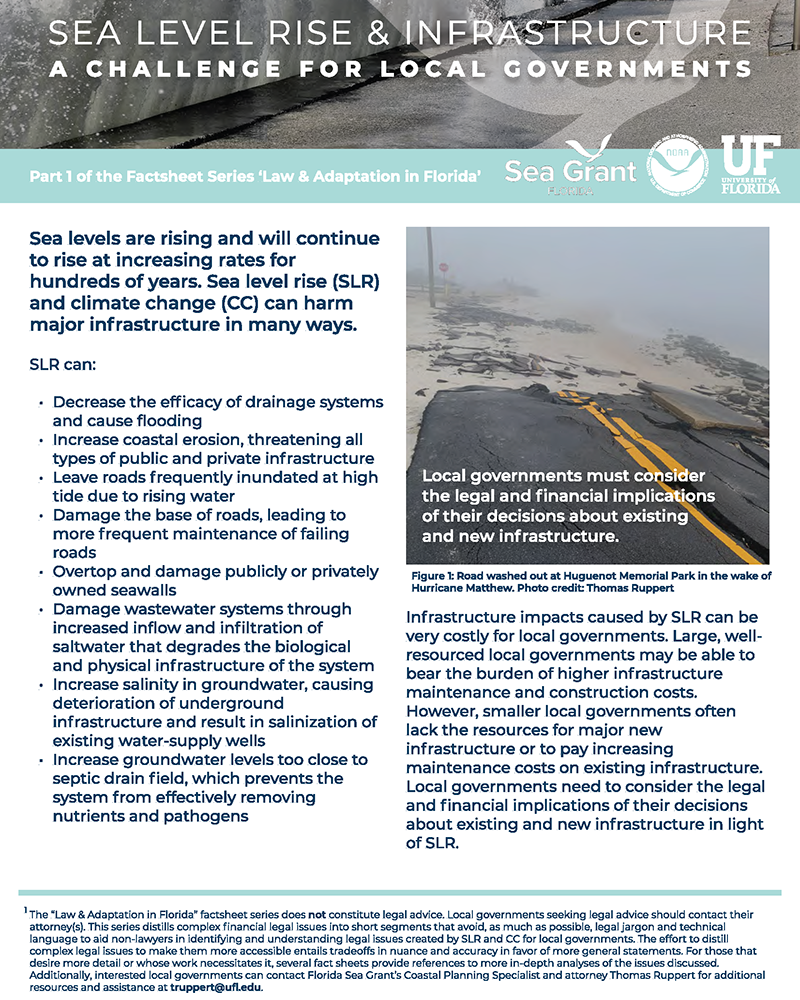
Figure 1: A photograph showing a road washed out at Huguenot Memorial Park in the wake of Hurricane Matthew. Photo credit: Thomas Ruppert.
Overlay Text: Local governments must consider the legal and financial implications of their decisions about existing and new infrastructure.
Financial & Legal Implications
Infrastructure impacts caused by SLR can be very costly for local governments. Large, well-resourced local governments may be able to bear the burden of higher infrastructure maintenance and construction costs. However, smaller local governments often lack the resources for major new infrastructure or to pay increasing maintenance costs on existing infrastructure. Local governments need to consider the legal and financial implications of their decisions about existing and new infrastructure in light of SLR.
Footnote
The series distills complex financial legal issues into short segments to aid non-lawyers. It does not constitute legal advice. For more detail, contact Florida Sea Grant’s Coastal Planning Specialist and attorney Thomas Ruppert at [email protected].